

September marks a second spring for British gardeners, offering a prime opportunity to extend your growing season well into autumn and winter. With proper planning and selection of vegetables to plant in September, you can enjoy fresh harvests long after summer ends. Autumn sowing allows plants to establish before winter, while overwintering varieties develop strong root systems that burst into growth when spring arrives. Cold-tolerant crops thrive in the cooling temperatures, rewarding patient gardeners with fresh produce when little else grows.
As daylight hours diminish and temperatures gradually cool, September provides a crucial window for establishing plants before winter sets in. The UK garden calendar highlights this month as pivotal – soil remains warm from summer heat, encouraging root development, while increasing rainfall reduces watering needs. According to the Royal Horticultural Society (RHS), plants sown in September establish more effectively than those planted later in autumn when decreasing light levels significantly slow growth rates.
September sowing also takes advantage of natural pest cycles, as many garden pests decline in autumn. Planning your autumn garden UK rotation now fills gaps left by summer harvests, maximizing your growing space efficiency and providing continuous production. With careful selection, these autumn plantings will reward you with harvests throughout winter and particularly early spring, when fresh produce prices peak.

Autumn-sown broad beans develop stronger root systems over winter, producing earlier and often more abundant harvests than spring plantings. These hardy legumes establish before winter’s worst, then surge ahead when temperatures rise, giving you a month’s head start on spring-sown crops.
When planting in September UK conditions, sow broad beans directly into well-drained soil 5cm deep and 15cm apart, with rows spaced 45cm apart. The variety ‘Aquadulce Claudia’ performs exceptionally well for overwintering, developing impressive cold tolerance. For best results, plant in a sheltered position and consider adding support structures early to prevent wind damage as plants mature.
Young broad bean seedlings prove irresistible to pigeons, so cover immediately after sowing with garden netting secured to prevent bird access. As winter approaches, horticultural fleece provides additional frost protection while still allowing light penetration. Remove covers during milder spells to prevent dampness accumulation that could encourage fungal diseases. Early control of black bean aphid in spring, by pinching out infested growing tips, ensures healthier, more productive plants.
Garlic requires a prolonged cold period of at least 6 weeks below 10°C to stimulate proper bulb formation, making September the ideal planting window. This timing gives cloves enough time to develop roots before winter while ensuring they receive sufficient cold exposure for optimal bulb development.
Choose plump, disease-free cloves from seed garlic suppliers rather than supermarket bulbs, which may carry disease or be unsuitable for UK growing conditions. Prepare soil by incorporating compost and raising beds if your garden has heavy or poorly-draining soil. Plant cloves 2-3cm deep, 15-20cm apart, ensuring the pointed end faces upward. Hardneck varieties like ‘Cristo’ provide excellent flavor, while softneck types such as ‘Germidour’ typically store longer.

Kale’s exceptional frost tolerance makes it a standout performer in the autumn garden, actually improving in flavor after exposure to cold temperatures. This nutritional powerhouse provides vital vitamins and minerals throughout winter when other fresh vegetables become scarce.
For September sowing, you can direct sow kale seeds 1cm deep and 45cm apart, thinning seedlings later, or transplant module-grown seedlings for a head start. Cavolo Nero (Black Tuscan) provides striking blue-green leaves with excellent flavor, while ‘Champion’ offers tightly-curled, frost-resistant leaves perfect for winter harvests. Protect young plants from cabbage white butterflies using fine mesh.
When harvesting, follow the cut-and-come-again approach by removing only outer leaves and leaving the central growing point intact. This cold-tolerant green will continuously produce new leaves throughout autumn and winter, providing multiple harvests from each plant. Apply a nitrogen-rich organic fertilizer mid-winter to encourage fresh leaf growth during early spring.
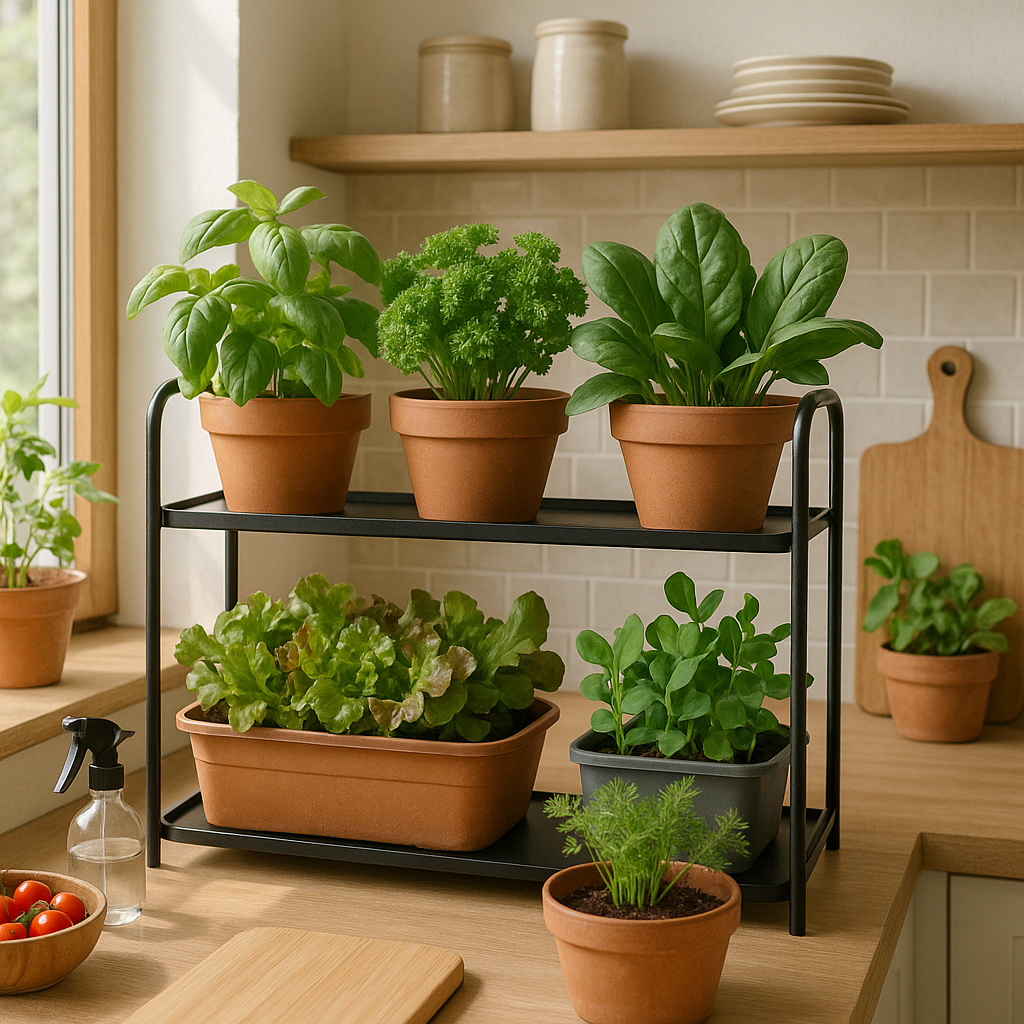
Spinach grows remarkably well as daylight diminishes, providing fresh salad leaves when summer varieties have long finished. With just 30-45 days to maturity, September-sown spinach delivers multiple harvests before severe winter weather arrives.
Sow seeds in shallow drills 1cm deep and 30cm apart, or start in modules for transplanting if soil conditions are challenging. Winter spinach varieties like ‘Giant Winter’ and ‘Medania’ offer superior cold tolerance and resistance to bolting. For continuous harvests throughout autumn and winter, sow small batches every two weeks until early October.
Extend your spinach season by providing simple protection when frosts intensify. Even basic coverings like cloches, tunnels, or horticultural fleece can raise temperatures enough to keep plants productive through most of winter. Harvest outer leaves first, allowing plants to continue producing from the center for months of nutritious greens.
Specially bred winter lettuce varieties resist bolting in challenging conditions while maintaining crisp, flavorful leaves. These cold-hardy types grow slowly but steadily through autumn, providing fresh salad ingredients when summer varieties have long since failed.
Sow seeds thinly at 1cm depth, spacing plants 15-20cm apart once established. ‘Winter Density’ produces compact, cos-type heads with excellent cold tolerance, while Bronze Arrow offers loose-leaf structure with attractive bronze-tinged leaves. Water sparingly during cooler weather to prevent rot, and apply organic slug control measures as these pests remain active in mild autumn conditions.
Protection becomes crucial as winter intensifies. Small cloches placed over individual plants or rows significantly extend the harvest period, while a polytunnel creates a microclimate suitable for continued growth. Remove yellowing or damaged outer leaves promptly to prevent disease spread, maintaining good air circulation around plants.

With an incredibly quick growing cycle of just 3-4 weeks, radishes provide near-instant results while waiting for slower-maturing vegetables. These peppery root vegetables thrive in cooling temperatures, developing better flavor than summer-grown counterparts.
Sow seeds thinly in rows 1cm deep and 15cm apart, aiming to avoid the need for thinning which can disturb neighboring seedlings. The classic French Breakfast variety produces elegant red-and-white roots with mild flavor, while Black Spanish Round offers distinctive dark skin and more pungent taste. Maintain consistent moisture to prevent splitting and woody texture.
September radish sowing benefits from reduced pest pressure compared to summer crops, with fewer flea beetles to damage leaves. As a fast growing vegetable, radishes make excellent catch crops between slower-maturing plants or as a September microgreens alternative when grown ultra-close and harvested young. Succession sow every 7-10 days until mid-October for continuous harvests.
Often overlooked in modern gardens, turnips offer remarkable versatility, providing both nutritious leaves for salads and hearty roots for roasting or mashing. September-sown turnips mature rapidly enough to harvest young roots by Christmas, while providing multiple leaf harvests along the way.
Sow seeds 1-2cm deep in rows, thinning seedlings to 10cm spacing as they develop. ‘Tokyo Cross’ produces tender white roots ideal for harvesting small, while ‘Atlantic’ offers excellent winter hardiness for extended harvests. Harvest baby turnip leaves when just 5-10cm tall for salads, allowing some plants to develop fully for root production.
Turnip roots become sweeter after light frosts, making them ideal winter turnips for seasonal cooking. The fast growth of salad turnip leaves provides green harvests within weeks of sowing, making efficient use of garden space. For best quality, harvest roots when they reach golf ball to tennis ball size, as larger specimens may develop woody texture.
Successful autumn growing begins with thorough soil preparation. Incorporate compost or well-rotted manure before planting to provide nutrients for slower winter growth. Maintain irrigation during dry September spells, but reduce watering as temperatures drop and plants require less moisture. Apply an autumn mulch of compost or leaf mold around established plants to insulate roots and suppress weeds.
Extend your growing season substantially with simple protection methods. Individual cloches made from plastic bottles suit small plantings, while horticultural fleece provides broader protection against frost and insect pests. Low tunnels constructed from hoops and clear plastic create effective microclimates, raising temperatures by several degrees. Remember to ventilate on sunny days to prevent humidity buildup.
For beds that remain empty after summer harvests, consider green manures as soil improvers. Mustard green manure grows quickly in September conditions, suppressing weeds and preventing nutrient leaching, while crimson clover adds nitrogen to benefit spring plantings. Cut down these cover crops before they flower, allowing them to break down in soil before spring planting.

September offers UK gardeners a valuable second planting window, with these top seven vegetables to plant in September providing months of productive harvests. From the earliest spring feasts of broad beans to the immediate satisfaction of autumn radishes, each vegetable maximizes your garden’s potential during the cooler months. Garlic, kale, spinach, winter lettuce, and turnips round out a diverse selection that ensures continuous harvests through autumn, winter, and early spring.
Success with autumn and winter vegetables depends largely on timing – starting them while sufficient warmth and light remain for proper establishment. Keep detailed notes of sowing dates, varieties, and performance to refine your approach each year. Consider joining the RHS or local gardening groups to share experiences with fellow UK gardeners tackling similar growing conditions.
By implementing these planting recommendations and protection strategies, your garden will remain productive long after others have shut down for winter. Download our free September sowing calendar for a comprehensive month-by-month guide, or subscribe for seasonal planting reminders tailored to your UK growing region.
Yes – short-season, hardy peas (e.g. ‘Meteor’) can be autumn-sown for early spring pods; use netting or cloche.
Cover with horticultural fleece, cloches or in a polytunnel; ensure good ventilation to prevent mould.
Cold-hardy staples like garlic, broad beans and kale first; then fast-maturing greens such as spinach, radish and lettuce.
They take longer (6–8 weeks) and may not fully bulb—better sown in September for baby carrots or as microgreens under cover.