

What exactly is a “green thumb”? Far from being a mystical talent, it’s simply the result of understanding plant needs and consistently applying proven gardening practices. Whether you’re nurturing your first tomato plant or expanding an established garden, implementing reliable gardening advice can transform struggling plants into thriving specimens. Throughout this guide, you’ll discover science-backed techniques for soil preparation, proper planting methods, efficient watering practices, effective pest management, and seasonal care strategies that will help you develop confidence and skill in the garden.
Before planting, our gardening advice always starts with soil preparation tips. A basic soil test reveals pH and nutrient levels, guiding amendments necessary for plant success.
Garden soil isn’t just dirt—it’s a complex ecosystem that provides plants with water, nutrients, oxygen, and structural support. In my five years of vegetable gardening, I’ve learned that understanding your soil composition is the single most important factor in garden success. University extension services recommend testing soil every 2-3 years to monitor pH and nutrient levels.

Most plants prefer slightly acidic to neutral soil (pH 6.0-7.0), though some plants like blueberries and azaleas favor more acidic conditions. Once you’ve established your baseline, you can make targeted improvements to build loamy, nutrient-rich soil that retains moisture while allowing excess water to drain freely.
Common advice suggests adding sand to clay soil, but research from the Royal Horticultural Society shows this can actually create a concrete-like consistency. Instead, incorporate 2-3 inches of compost annually to improve soil structure gradually. This organic matter creates air pockets that improve drainage while also adding beneficial microorganisms.
For sandy soil that drains too quickly, add compost to increase water retention and nutrient-holding capacity. Aim to work in organic material to a depth of 8-12 inches, which helps plants develop deeper, more resilient root systems that access moisture during dry periods.
Use proven seed-starting techniques under grow lights or sunny windows, then harden off seedlings before transplanting to prevent shock.
Starting seeds indoors extends your growing season and increases success rates for many garden favorites. Begin by selecting high-quality seeds from reputable sources and using a sterile seed-starting mix rather than garden soil, which can harbor diseases and may compact around delicate seedlings.

Most vegetable and flower seeds germinate best between 65-75°F (18-24°C). Once seedlings emerge, provide 14-16 hours of light daily, keeping grow lights just a few inches above plants to prevent leggy growth. Water from the bottom to encourage strong root development and reduce disease risk.
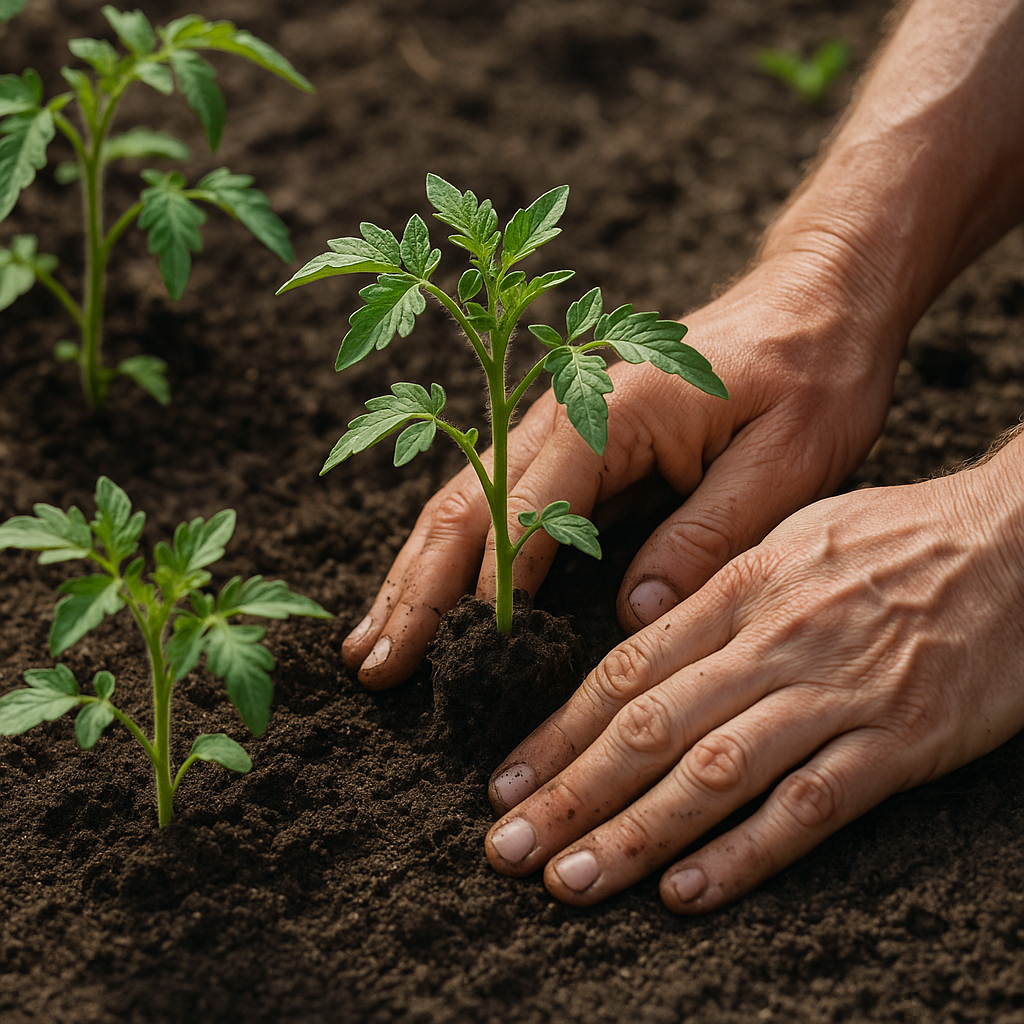
Starting seeds in containers gives you greater control over environmental conditions and allows for earlier planting. This method works particularly well for plants with longer maturation periods like tomatoes, peppers, and eggplants. Keep seedlings in containers until they’ve developed at least two sets of true leaves.
Direct sowing works better for crops that dislike transplanting or mature quickly. Root vegetables like carrots and radishes, as well as beans and corn, perform best when planted directly in garden beds. Follow seed packet guidance for proper spacing and planting depth—generally, plant seeds at a depth equal to 2-3 times their diameter.
Strategic plant combinations can enhance growth and naturally deter pests. Classic pairings include tomatoes with basil (which may improve flavor and repel insects) and the “three sisters” Native American method of planting corn, beans, and squash together—each providing mutual benefits to the others.
Marigolds planted throughout the garden help deter nematodes and other soil pests, while nasturtiums can serve as trap crops for aphids. Research from Cornell University confirms many of these traditional companion planting methods have scientific merit in integrated pest management programs.
Adopt a watering schedule that delivers deep watering early in the morning to minimize evaporation and fungal issues.
The way you water significantly impacts plant health and garden productivity. Most established plants benefit from infrequent but thorough soaking rather than frequent light sprinkling. This approach encourages roots to grow deeper, making plants more drought-resistant and stable.

Morning watering (between 5-9 am) allows foliage to dry during the day, reducing disease risk. Water at soil level rather than overhead to minimize evaporation and keep leaves dry. In hot weather, most gardens require deep watering 1-2 times weekly, delivering about 1-1.5 inches of water each time.
Signs of overwatering include yellowing leaves, soft stems, and fungal growth. Underwatering symptoms appear as wilting, brown leaf edges, and stunted growth. Adjust your schedule based on these visual cues, rainfall patterns, and soil type.
Applying 2-3 inches of organic mulch around plants conserves moisture by reducing evaporation, moderates soil temperature, and suppresses weeds. Wood chips, straw, shredded leaves, and compost all make excellent mulches for different garden areas.
Keep mulch a few inches away from plant stems and tree trunks to prevent rot and rodent damage. Research from the USDA Agricultural Research Service shows that mulched gardens can require up to 50% less water than unmulched areas, while simultaneously improving soil quality as organic materials break down.
After a soil test, choose an organic fertilizer with a balanced N-P-K ratio—ideally 6-1-4—to feed plants without overloading phosphorus.
Plants require 17 essential nutrients for healthy growth, with nitrogen (N), phosphorus (P), and potassium (K) needed in the largest quantities. Understanding your specific soil deficiencies allows you to address only what’s lacking rather than applying unnecessary amendments that could create imbalances or runoff issues.

Many home gardens contain excess phosphorus due to years of applying balanced fertilizers when only nitrogen was needed. This can lead to water quality issues and inhibit beneficial mycorrhizal fungi. Compost provides a steady supply of nutrients in forms plants can readily use, improving soil structure while feeding your garden.
Slow-release organic fertilizers like compost, worm castings, and well-rotted manure provide gentle, sustained nutrition. In contrast, synthetic fertilizers deliver quick results but may create feast-or-famine conditions that stress plants and diminish long-term soil health.
Apply nitrogen-rich amendments in spring when plants enter active growth, and transition to potassium-rich options in late summer to help perennials prepare for winter. Fall is ideal for incorporating compost and slow-release organic matter that will break down gradually, improving soil structure before the next growing season.
For container gardens, nutrients leach out more quickly with watering. Use a diluted liquid organic fertilizer like compost tea every 2-3 weeks during active growth periods. Always follow package instructions—with fertilizer, more is rarely better.
Implement integrated pest management: hand-pick pests, attract beneficial insects, and apply organic pest control like insecticidal soap when needed.
The most effective approach to garden pests and diseases focuses on prevention rather than treatment. Healthy soil grows resilient plants that naturally resist many common problems. Proper spacing improves air circulation, reducing fungal issues, while diverse plantings confuse pests that seek out specific host plants.

Daily garden observation helps catch problems early. Inspect the undersides of leaves where pests often hide, and remove affected plant parts promptly. For smaller infestations, manual removal or a strong spray of water may be sufficient. When these measures aren’t enough, targeted organic solutions like neem oil or insecticidal soap can address specific issues with minimal environmental impact.
Attract beneficial insects by planting diverse flowering plants that provide nectar and pollen throughout the growing season. Ladybugs, lacewings, hoverflies, and parasitic wasps naturally control common garden pests if given proper habitat and food sources.
Many gardeners use landscape fabric in the belief it will permanently prevent weeds. Research from Washington State University indicates that while these barriers may work initially, they often create more problems than they solve. As organic matter builds up on top, weeds eventually establish in this layer, with roots penetrating and entangling in the fabric below.
Natural mulches like arborist wood chips, straw, or leaf mold suppress weeds while simultaneously improving soil as they decompose. Unlike synthetic barriers, these materials enhance the garden ecosystem, providing habitat for beneficial organisms like earthworms and mycorrhizal fungi that contribute to plant health.
Use a seasonal garden care plan: prune roses in late winter, mulch beds before frost, and start warm-season vegetable seedlings in spring.
Successful gardening follows natural rhythms and cycles. Creating a month-by-month maintenance calendar helps ensure important tasks aren’t overlooked and prevents the common mistake of improper timing that can reduce plant vigor or fruit production.

Spring focuses on soil preparation, planting, and establishment. Summer involves regular maintenance like watering, weeding, and monitoring for pests. Fall emphasizes harvesting, soil building, and preparing for dormancy, while winter allows for planning, tool maintenance, and strategic pruning of deciduous plants.
Divide and conquer by breaking larger garden projects into manageable weekly tasks. Even 15-30 minutes of regular maintenance prevents the overwhelming “catch-up” days that can lead to gardener burnout and neglected plants.
Contrary to older gardening advice that recommended removing all plant debris, modern ecological approaches suggest leaving some areas undisturbed as habitat for beneficial insects and native pollinators that overwinter in hollow stems and leaf litter.
Clean and sharpen tools before storing for winter, applying a light coat of oil to prevent rust. Empty and store frost-sensitive containers, and protect vulnerable plants with appropriate coverings after the ground freezes. Consider planting cover crops in vegetable beds to prevent erosion, suppress weeds, and add organic matter when incorporated in spring.
Fall is also the ideal time to establish compost systems. As leaves fall and garden debris accumulates, you’ll have abundant materials to create nutrient-rich compost for next season’s garden—completing the cycle of sustainable garden care.
Developing a “green thumb” isn’t about innate talent—it’s about consistently applying proven gardening advice and learning from both successes and challenges in your unique growing environment. Start with understanding and improving your soil, master proper planting techniques, establish efficient watering practices, apply targeted nutrition, prevent pests proactively, and follow seasonal maintenance routines.
Remember that gardening is both science and art—combining research-backed best practices with your own observations will help you cultivate not just healthy plants, but also the confidence and joy that come from working in harmony with nature’s systems. Each season brings new opportunities to refine your approach and deepen your connection to the growing process.
Ready to take your garden to the next level? Download our free “5 Steps to Your Best Garden Ever” PDF, subscribe for seasonal task reminders, or explore our online gardening courses for more in-depth guidance tailored to your specific growing conditions.
A knack for choosing the right techniques, understanding plant needs, and consistent care.
Deeply, once or twice a week in hot weather; adjust based on soil moisture and plant type.
Yes—affordable and informative for tailoring fertilization and avoiding nutrient imbalances.
No—seedlings need 1–2 weeks of hardening off to adjust to outdoor conditions.
Combine manual removal, encourage beneficial insects, and use insecticidal soap or Bt when warranted.