

Starting your own garden from seed packets in the UK offers an affordable and deeply satisfying way to grow your own vegetables, herbs, and flowers. Seed packets contain everything from tiny tomato seeds that can yield kilos of summer fruit to delicate flower seeds that transform into stunning blooms. For beginners and hobbyists alike, understanding how to interpret and use seed packets correctly makes the difference between disappointing failure and abundant success in British growing conditions.
In this comprehensive guide, you’ll learn how to decode seed packet information, choose appropriate varieties for the UK climate, prepare proper growing environments, and nurture your seedlings to maturity. Whether you have access to a spacious garden or just a few windowsills, growing from seed opens up possibilities that garden centre plants simply can’t match.

Seed packets UK suppliers provide are treasure troves of essential information, offering far more than just a container for seeds. Each packet contains specific guidance tailored to British growing conditions that can significantly improve your chances of success.
Most UK seed packets feature standardized information, though layouts vary between suppliers. Here’s what you’ll typically find:
According to the Royal Horticultural Society, understanding frost dates is crucial for UK gardeners. Most packets reference these dates using terms like “sow after all risk of frost has passed,” which in southern areas might be late May, while northern regions could be early June.
Selecting appropriate seed varieties dramatically impacts your gardening success, particularly in Britain’s variable climate. Vegetable seeds UK gardeners often prefer include varieties specifically bred for shorter growing seasons and cooler temperatures.
Consider these factors when choosing seeds:
For beginners, certain plants are more forgiving and offer higher success rates in UK conditions. Easy-to-grow vegetables include radishes, lettuce, runner beans, and courgettes. Among herbs, chives, basil, and coriander germinate reliably, while cosmos, nasturtiums, and sunflowers represent excellent starter flower seeds.
Ethical and sustainable seed sourcing supports biodiversity and ensures your garden contributes positively to the environment. Reputable UK seed companies include:
Organic seeds are grown without synthetic fertilizers or pesticides, making them particularly suitable for organic gardening practices. While potentially costing slightly more, they support sustainable agriculture and can be especially important for edible crops.

Decoding the information on seed packets ensures appropriate care throughout the growing process. Many UK gardeners overlook crucial details that can make the difference between thriving plants and disappointing results.
Common seed packet information includes:
Generally expressed in centimeters, this indicates how much growing medium should cover the seeds. A basic rule: sow seeds at a depth approximately twice their diameter. Very small seeds often need just a light dusting of compost or may even require light to germinate (indicated by “surface sow”).
This appears in two forms: initial sowing distance and final spacing after thinning. For example, “Sow 1cm apart, thin to 5cm” means initially place seeds close together, then remove weaker seedlings to give the strongest proper room to develop.
Often displayed as a chart showing optimal sowing months highlighted or bolded. Many packets distinguish between indoor and outdoor sowing times, crucial in the UK where starting certain crops indoors extends the growing season significantly.
Manufacturers use consistent symbols to communicate requirements quickly:
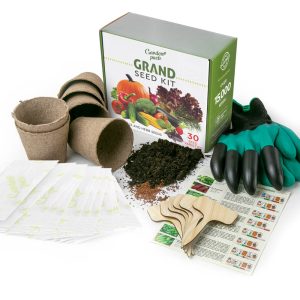
Seed sowing requires relatively few specialized tools, making it accessible for beginners. Quality materials increase success rates significantly and potentially save money by improving germination.
Optional equipment that proves particularly useful in the UK climate includes:

How to start seeds successfully requires attention to detail and understanding of germination requirements. Following this methodical process significantly improves results in British growing conditions.
Begin by ensuring your containers are clean, using hot soapy water or a mild bleach solution to sterilize previously used trays and prevent disease transfer. Fill trays with seed compost to approximately 1cm below the rim, gently tapping to settle without compacting. Create a level surface either by using a straight edge or lightly pressing with a clean board.
Pre-water the compost before sowing by standing the tray in shallow water until moisture reaches the surface through capillary action. This prevents washing away or displacing seeds during overhead watering. Allow excess water to drain completely before sowing.
For medium and large seeds, create furrows or individual holes at the depth specified on the packet using a pencil or dibber. Place seeds individually with the recommended spacing. For very small seeds, mix with fine sand for more even distribution, then sprinkle carefully across the surface.
Cover seeds according to packet instructions – many UK-grown plants prefer a covering approximately twice their diameter. Very fine seeds often need just a light dusting of sieved compost or vermiculite. Immediately label each variety with plant name and sowing date to avoid confusion later.
After sowing, mist lightly with a spray bottle or water with a fine rose can to avoid displacing seeds. Cover seed trays with clear plastic lids, propagator tops, or cling film to maintain humidity levels and prevent compost drying out.
Place trays in appropriate light conditions – many seeds germinate best in darkness while others require light (always check packet guidance). Position in a location with consistent temperature matching germination requirements – many UK summer crops need 18-21°C, while hardy annuals may germinate at cooler temperatures.
Check trays daily for signs of germination and remove covers once seedlings emerge to prevent mold development. Ensure emerging seedlings receive sufficient light to prevent leggy growth – a south-facing windowsill works well, though grow lights provide more consistent results during winter months.
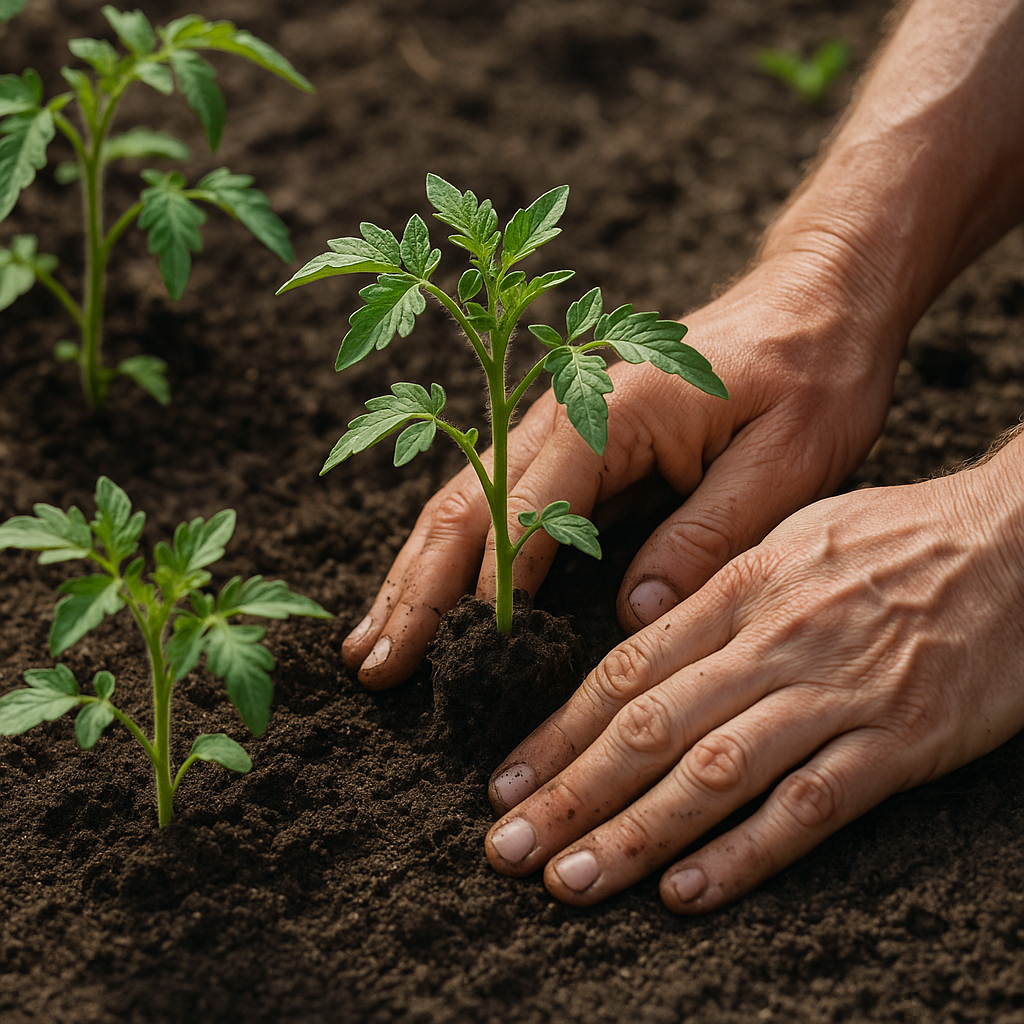
Once seedlings develop true leaves (the second set after seed leaves), transplant into individual pots containing multipurpose compost. Water well and return to a warm, bright position. When outdoor planting time approaches, harden off seedlings by gradually exposing them to outdoor conditions over 7-10 days – particularly important in the UK’s changeable spring weather.
Even experienced gardeners encounter issues during seed starting. Recognizing problems early allows for swift corrective action:
For outdoor sowings, additional UK-specific challenges include slug damage and unpredictable late frosts. Use protective cloches, organic slug pellets, or copper tape for slug protection. Keep horticultural fleece ready to protect young plants when frost threatens unexpectedly.
Heirloom seeds and sustainable growing methods enhance the environmental benefits of home gardening. By adopting eco-friendly approaches from the beginning, your garden becomes part of the solution to biodiversity challenges.
Using biodegradable pots made from coir, compressed paper, or cardboard eliminates plastic waste and reduces transplant shock as these containers can be planted directly into the ground. These alternatives work particularly well for plants sensitive to root disturbance, such as sweetcorn and beans.
Consider these sustainable gardening practices:
The Seed Sovereignty UK and Ireland Programme works to develop local organic seed systems, providing resources for gardeners interested in sustainable seed practices. Their website offers information about regional seed saving networks and training opportunities.

Starting a garden from seed packets in the UK offers tremendous rewards beyond mere cost savings. The extraordinary diversity of available varieties – many specifically adapted to British growing conditions – allows you to grow plants rarely found in garden centres. The journey from tiny seed to productive plant provides unmatched satisfaction and a deeper connection to natural cycles.
Begin your seed-growing journey by selecting just a few varieties suited to your space and experience level. Follow the guidance provided on the seed packets and in this article, keeping notes about what works in your specific growing conditions. Each season brings new knowledge and increased confidence in your gardening abilities.
Whether you’re cultivating fresh vegetables for your table, fragrant herbs for your kitchen, or beautiful flowers for pollinators, growing from seed connects you to generations of gardeners who have nurtured plants from these small beginnings. Your garden, however modest, becomes part of a larger tapestry of green spaces supporting biodiversity across the UK.
Most small seeds need just 0.5–1 cm of compost cover; medium seeds (peas, beans) need around 2 cm.
Many vegetables (tomatoes, peppers) can be sown indoors from late February to March; consult your local frost dates.
Aim for 15–22 °C; use a heated propagator or warm windowsill if needed.
Keep compost evenly moist but not waterlogged; bottom-water trays for 15–20 minutes or mist regularly.
It’s better to use fresh seed compost; reusing old compost increases risk of disease and poor germination.