

There’s something magical about opening a seed packet, placing those tiny capsules of potential into soil, and watching life unfold before your eyes.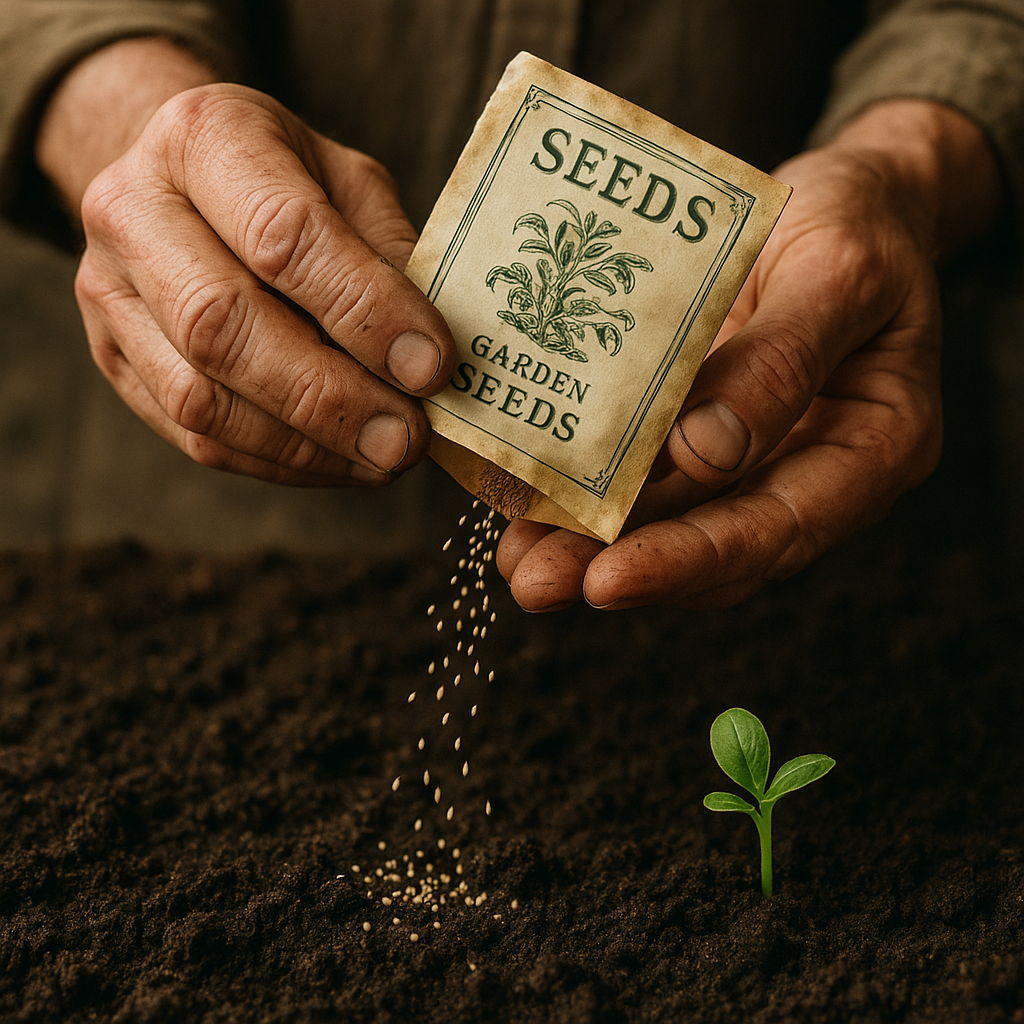
The anticipation of that first green sprout breaking through the surface brings a sense of accomplishment that gardeners cherish season after season.
Growing vegetables from seed offers remarkable advantages—you’ll save significant money compared to buying transplants, gain access to hundreds of fascinating varieties not found at garden centers, and experience the complete journey from seed to harvest. Whether you have a spacious backyard garden or a few containers on a sunny balcony, starting vegetables from seed can be incredibly rewarding.
Here are the top ten vegetables you can confidently start from seed today—whether you’re direct-sowing outdoors or firing up your grow lights. These selections balance ease of growing with harvest reliability, making them perfect for gardeners of all skill levels.
If you’re looking for nearly instant garden gratification, radishes claim the top spot for best vegetables to grow from seed.
These cool-season champions germinate in just 3-7 days and can be ready for harvest in as little as three weeks, making them perfect for impatient gardeners or children’s first growing projects.
Lettuce seeds are perfect for beginners and provide the foundation for endless fresh spring salads.
This cool-season crop thrives when temperatures remain between 45-75°F, making it ideal for early spring and fall gardens.
For best results, try a mixture of types. Loose-leaf varieties like ‘Red Sails’ and ‘Oak Leaf’ provide the quickest harvests (30 days), while butterhead types like ‘Buttercrunch’ and romaine varieties like ‘Little Gem’ offer different textures and flavors with slightly longer maturity times (45-60 days).
This nutrient-powerhouse is among the most cold-tolerant greens you can grow, germinating in soil as cool as 40°F.
Open-pollinated spinach varieties offer excellent flavor and the ability to save seeds for future seasons.
The ‘Bloomsdale’ heirloom variety handles temperature fluctuations better than many others, while ‘Space’ and ‘Tyee’ are bred for improved bolt-resistance, extending your spring harvest window by several weeks.
As one of spring’s first crops, peas offer the dual benefit of delicious harvests and soil improvement.
These cool-season legumes actually fix nitrogen in the soil through beneficial bacteria housed in root nodules, enhancing your garden ecosystem.
For stronger germination, soak pea seeds overnight before planting. Unlike many vegetables, peas don’t transplant well, making them perfect for direct-sowing outdoors as soon as soil can be worked in early spring.
Few garden vegetables match the satisfaction of pulling crisp, sweet carrots from loose soil.
While they require some patience (germination can take 1-3 weeks), the flavor difference between homegrown and store-bought carrots makes the wait worthwhile.
Try ‘Nantes Coreless’ for sweet, uniform roots that perform well in heavier soils, or colorful varieties like ‘Cosmic Purple’ and ‘Atomic Red’ that contain different beneficial antioxidants than orange carrots. Short-rooted varieties like ‘Paris Market’ and ‘Oxheart’ are excellent choices for shallow or clay-heavy soils.
Beets offer the gardener two harvests in one—colorful, nutritious roots and tender, vitamin-rich greens.
These dual-purpose plants thrive in cool weather but tolerate heat better than many other spring crops.
Classic varieties like ‘Detroit Dark Red’ offer reliability, while ‘Chioggia’ delivers stunning candy-stripe interior patterns when sliced. For a variety focused on leaf production, ‘Bull’s Blood’ provides deep burgundy leaves that add color to salads while still developing tasty roots.
When soil warms in late spring, bush beans become the warm-season garden workhorse.
These compact plants don’t require trellising like pole beans and produce abundant harvests in small spaces, making them ideal for raised beds or container gardens.
For green bush beans, ‘Provider’ offers exceptional reliability and disease resistance, while ‘Royal Burgundy’ produces striking purple pods that turn green when cooked. Yellow “wax” varieties like ‘Dragon’s Tongue’ feature cream-colored pods with purple striping and excellent flavor for fresh eating.
Direct-sown cucumber seeds quickly transform into vigorous vines that can produce dozens of crisp, refreshing fruits throughout summer.
While traditionally grown on the ground, vertical trellising saves space and reduces disease issues by improving air circulation.
‘Marketmore 76’ remains a garden standard with excellent disease resistance and reliable production. For something unique, try the round, yellow ‘Lemon’ cucumber with its bright, sweet flavor, or ‘Mexican Sour Gherkin’ (actually a related species) that produces abundant, grape-sized fruits perfect for pickling.
Famous for their abundance, summer squash plants transform a handful of seeds into bushels of tender fruits.
These warm-season vegetables thrive when direct-sown after soil temperatures reach 70°F consistently.
Try classic green zucchini varieties like ‘Black Beauty’ or ‘Cocozelle’ with distinctive stripes. For something different, yellow crookneck types offer excellent flavor, while round varieties like ‘Eight Ball’ create perfect stuffing vessels. Many newer varieties feature compact growth habits ideal for containers or small gardens.
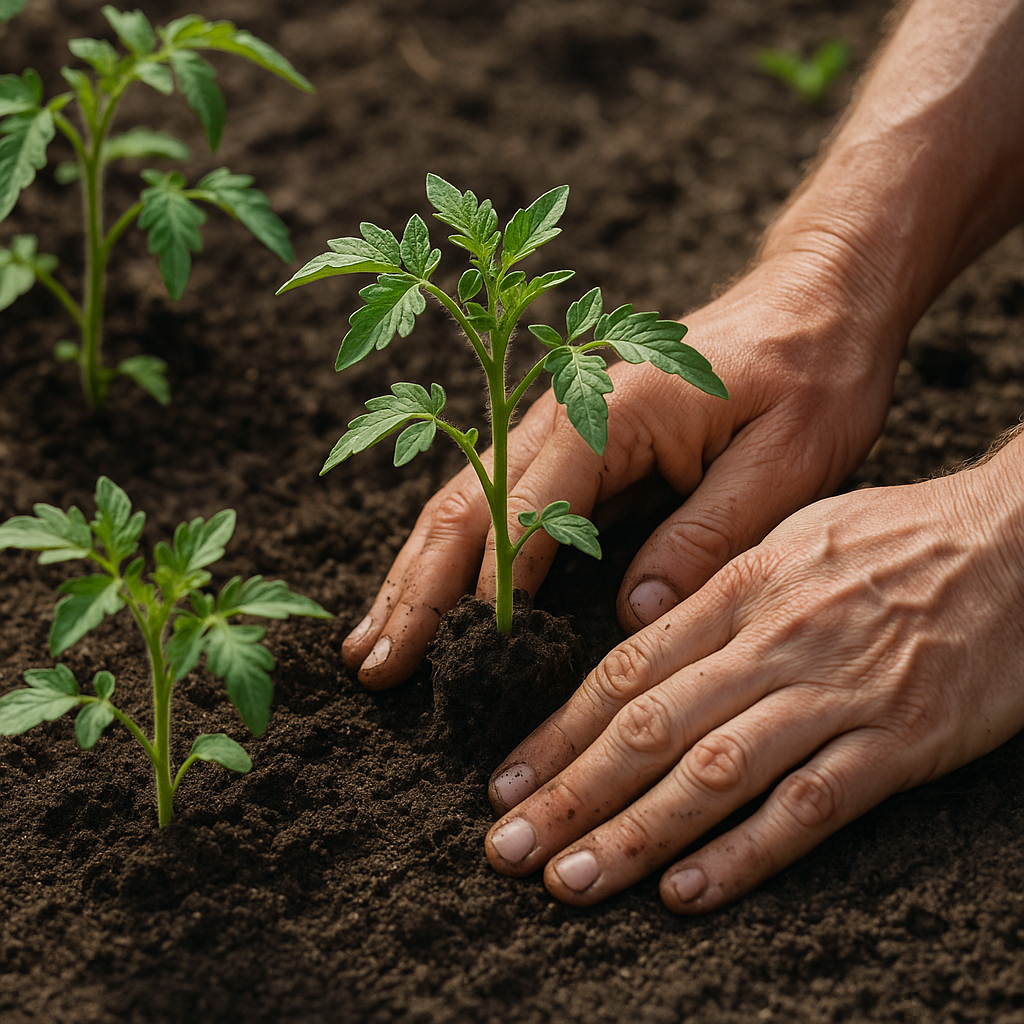
While not suitable for direct-sowing outdoors in most climates, tomatoes deserve inclusion as America’s most popular garden crop.
Starting these seeds indoors 6-8 weeks before your last spring frost delivers substantial savings compared to buying transplants.
Determinate varieties like ‘Roma’ and ‘Celebrity’ are bushier and easier for beginners, while indeterminate types like ‘Sun Gold’ (cherry) or ‘Brandywine’ (heirloom beefsteak) grow taller and produce over a longer season. Disease-resistant hybrids offer advantages in humid climates, while heirlooms often provide superior flavor and seed-saving possibilities.
Starting vegetables from seed connects you with the full cycle of garden life while expanding your growing possibilities exponentially. The varieties featured here represent just a fraction of the thousands available through seed catalogs and exchanges—each offering unique colors, flavors, and growing characteristics impossible to find at garden centers.
As you plan your seed-starting calendar, remember that timing is crucial for success. Consider creating a simple chart with your last frost date, then count backward to determine optimal planting times for each crop. Whether you’re growing heirloom vegetables prized for flavor and seed-saving potential or modern hybrids developed for disease resistance and productivity, the best vegetables to grow from seed are those that match your climate, available space, and culinary preferences.
Begin with a few varieties that excite you, then expand your seed-grown garden each season. Your reward will be fresher harvests, significant cost savings, and the immense satisfaction of nurturing plants through their entire life cycle.
Most vegetable seeds should be planted at a depth approximately twice their diameter. Very small seeds like lettuce and carrots need only ¼ inch of covering, while larger seeds like beans and peas should be planted about 1 inch deep. Always check seed packet instructions for specific guidance.
No, only cool-season crops (like peas, radishes, and lettuce) and heat-loving plants after frost danger passes (like beans and squash) should be direct-sown. Long-season crops like tomatoes, peppers, and eggplants typically need to be started indoors to reach maturity in most climates.
Most vegetables should be started 6-8 weeks before your area’s average last frost date. Fast-growing plants like cucumbers need only 3-4 weeks, while slow-developing ones like onions may require 10-12 weeks indoors.
Heirloom seeds excel for flavor diversity and seed-saving capabilities, as they’ll produce offspring true to the parent plants. Hybrid seeds often offer greater disease resistance, uniformity, and vigor, but saved seeds won’t reliably reproduce the same traits.
Seedlings are typically ready for transplanting outdoors when they have developed 2-3 sets of true leaves (not counting the initial seed leaves or cotyledons), have strong stems, and soil temperatures are appropriate for the specific crop.