

Bee friendly wildflowers are plants that provide essential nectar and pollen resources to support honeybees, native bee species, and other valuable pollinators throughout the growing season.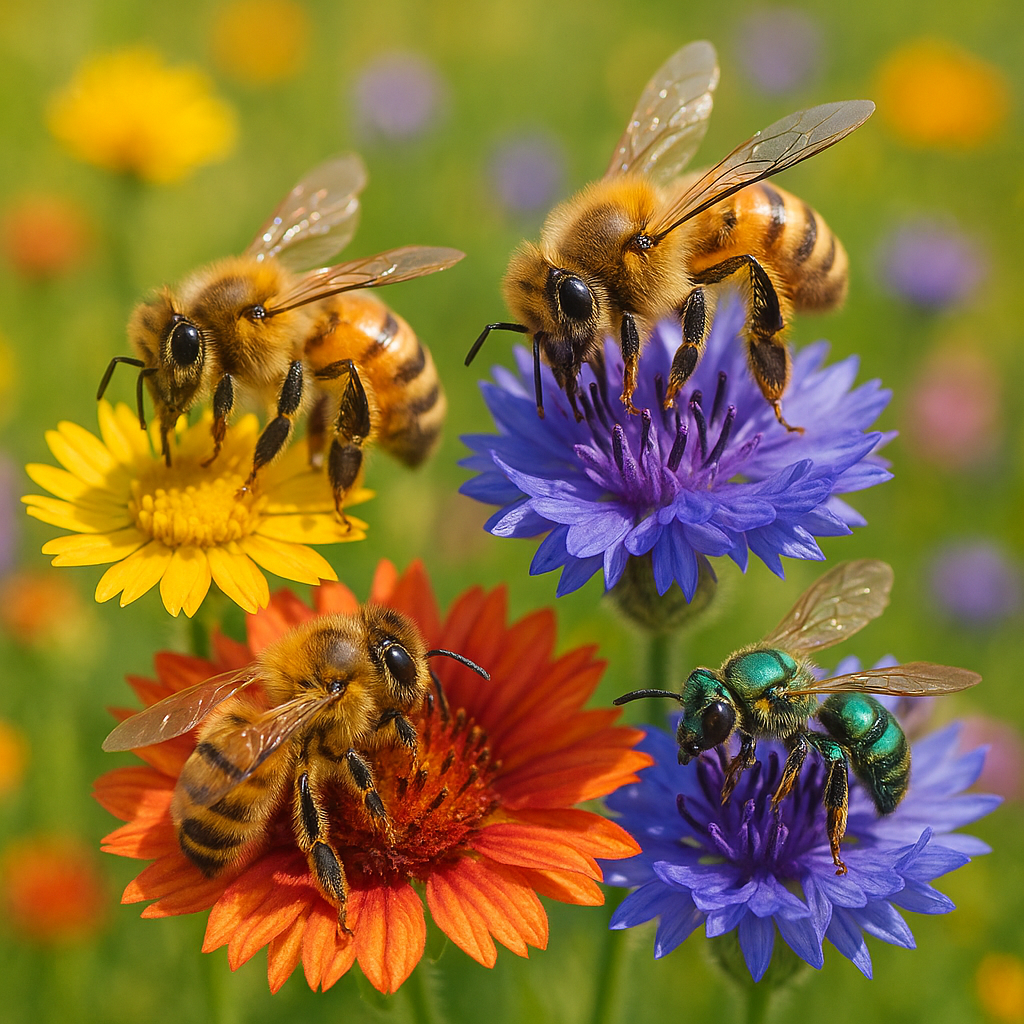
These flowering plants form the backbone of healthy ecosystems, offering sustenance to beneficial insects that pollinate approximately one-third of our food supply. Beyond nourishing pollinators, these vibrant blooms enhance biodiversity, improve soil health, and bring natural beauty to our landscapes.
In this comprehensive guide, you’ll discover the most effective wildflowers to plant for each season, learn how to source high-quality seeds, master planting and maintenance techniques, design beautiful pollinator-friendly spaces, and create additional habitat enhancements that will transform your garden into a buzzing sanctuary.
Bee friendly wildflowers provide essential nutrition that supports both managed honeybee colonies and our 4,000+ species of native bees in North America. These flowering plants offer diverse nectar sources rich in sugars for energy and protein-packed pollen crucial for bee reproduction and larval development. According to research from Michigan State University Extension, wildflower diversity directly correlates with healthier, more resilient bee populations in agricultural landscapes.
The benefits extend far beyond bee health alone. Pollinator garden plants create microhabitats that attract beneficial insects like hoverflies and parasitic wasps, which naturally control garden pests.
The deep root systems of perennial wildflowers improve soil structure, prevent erosion, and increase water infiltration. Additionally, these flowering plants create vital wildlife corridors connecting fragmented habitats in increasingly urbanized environments.
“Creating wildflower patches, even small ones, provides essential stepping stones that help pollinators navigate through otherwise inhospitable landscapes,” notes Dr. Marla Spivak, Distinguished McKnight Professor in Entomology at the University of Minnesota. “These plants aren’t just pretty—they’re functional components of our ecosystem.”
While both native and non-native wildflowers can provide nectar and pollen, regionally native species offer distinct advantages.
Native wildflowers have co-evolved with local pollinators, often providing more nutritious resources at precisely the right times. They typically require less water once established and resist local pests and diseases without chemical interventions. Non-natives may offer extended bloom periods but could potentially become invasive or might not support specialized native bee species that have evolved alongside specific plants. The best approach is to prioritize native species while incorporating select non-invasive, non-native varieties to extend the blooming calendar.
Creating a multi-season bloom sequence ensures continuous forage for pollinators, addressing critical nutrition gaps that often occur in early spring and late fall when natural food sources can be scarce.
According to the Xerces Society’s regional bloom guides, incorporating at least three species for each seasonal period ensures continuous forage throughout the growing season.
Selecting appropriate wildflower seed mixes requires attention to both quality and regional suitability.
Look for suppliers who specifically list the species contained in their mixes rather than generic “pollinator blend” labels with unspecified contents.
When evaluating wildflower seed mixes, prioritize those with at least 50% native species appropriate for your specific growing region. Beware of bargain mixes that may contain invasive species or agricultural weeds. High-quality mixes typically contain both annual and perennial species, ensuring first-year color while perennials establish. The best suppliers provide germination rates and collection year for their seeds, guaranteeing viability.
For genuinely beneficial pollinator habitat, source seeds from specialized native plant nurseries or seed companies with ecological restoration focus. Organizations like Pollinator Partnership offer regional planting guides to help select appropriate species based on your specific ecoregion. Several reputable suppliers include Prairie Moon Nursery, Ernst Conservation Seeds, and American Meadows, all of which maintain Bee Friendly Farming certification standards in their growing practices.
Local seed libraries and native plant societies often offer regionally adapted seeds with specific provenance information, sometimes at lower cost than commercial sources. These community resources frequently provide mentorship and region-specific growing advice alongside their seeds.
Successful establishment of bee friendly wildflowers begins with proper site selection and preparation.
Choose locations receiving at least 6 hours of direct sunlight daily for most prairie or meadow species. Woodland wildflowers typically prefer partial shade conditions with morning sun and afternoon protection.
Soil preparation proves crucial for success with wildflower plantings. Remove existing vegetation completely, either through solarization (covering with clear plastic for 4-6 weeks during summer), sheet mulching, or careful herbicide application followed by tilling. For small areas, hand weeding works effectively. Many native wildflowers actually prefer poor soils—avoid adding fertilizer, which often encourages aggressive weeds that outcompete desired species.
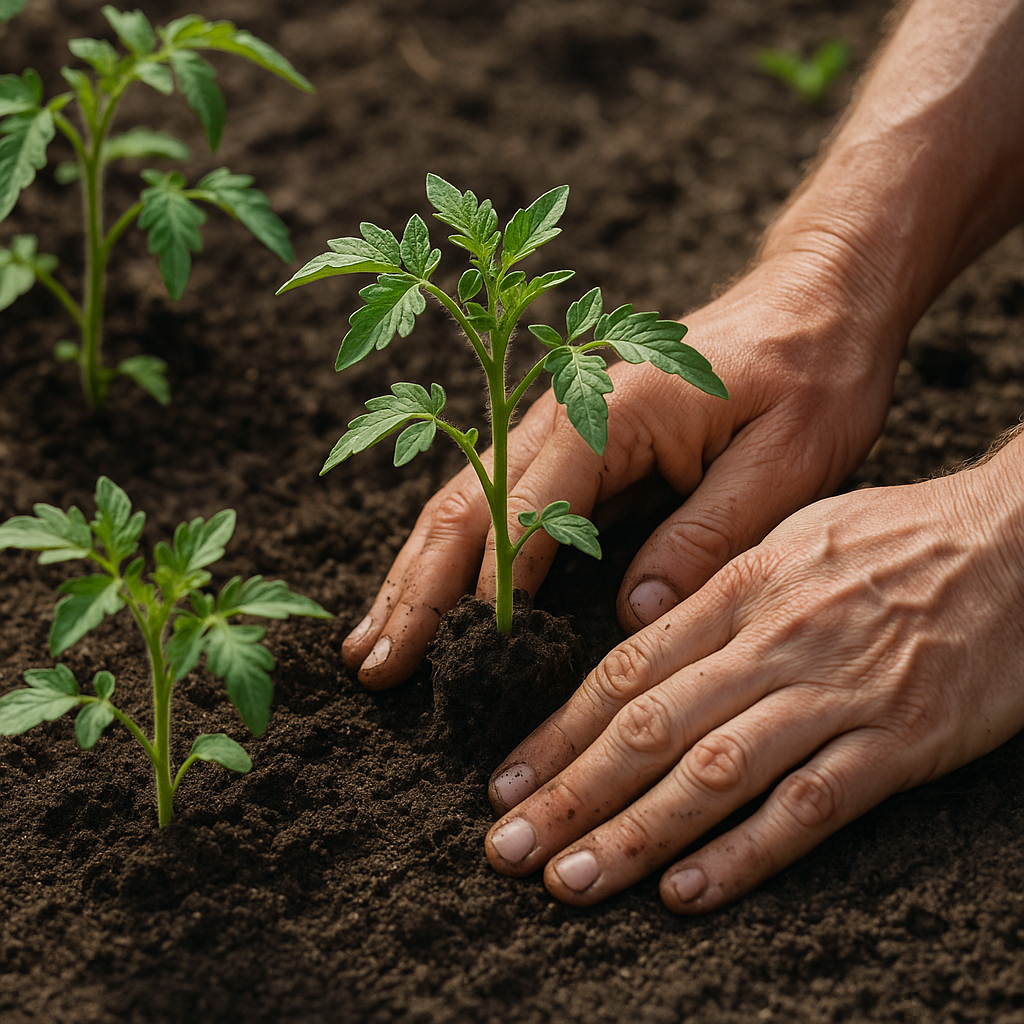
When sowing, mix small seeds with sand or vermiculite to achieve even distribution. The Penn State Extension recommends specific seeding rates of 4-8 pounds per acre for meadow establishment or approximately 1/4 ounce per 100 square feet for garden beds. After broadcasting seed, lightly compress the soil surface with a roller or by walking carefully across the area to ensure good seed-to-soil contact.
Maintenance during the establishment phase requires patience. Many perennial wildflowers invest energy in root development during their first year, with limited top growth—the gardening adage “first year sleep, second year creep, third year leap” applies perfectly here. Water newly planted areas during extended dry periods but avoid overwatering, which can promote fungal diseases.
For ongoing management, Dr. Lisa Wasko DeVetter, Small Fruit Horticulturist at Washington State University, suggests: “Mowing established meadow plantings once annually in late fall after seed dispersal or early spring before nesting season begins helps control woody invasion while preserving habitat value. Set mower height to 6-8 inches to protect overwintering insects.”
Thoughtful garden design maximizes pollinator benefits regardless of available space.
In larger landscapes, consider installing meadow strips along property boundaries or converting portions of traditional lawn into wildflower patches. For smaller urban gardens, strategic placement of container plantings or raised beds can create pollinator corridors connecting fragmented habitat.
When designing pollinator spaces, plant species in clumps rather than individual specimens. Research from the University of California shows that groupings of at least three square feet of the same flower species help pollinators forage more efficiently, conserving valuable energy. Arrange plants with varying heights, with taller species toward the back of borders and shorter ones at edges.
Companion planting enhances pollinator garden functionality. Integrate flowering herbs like oregano, thyme, and borage among vegetable crops to attract beneficial insects that improve yields. Include both early-blooming bulbs (crocus, snowdrops) and late-season flowers (asters, goldenrod) to extend the foraging calendar.
Even apartment dwellers can contribute with container pollinator gardens. Choose deep pots (minimum 12 inches) and select compact wildflower varieties like prairie zinnia, lanceleaf coreopsis, and native columbine. Window boxes with cascading herbs provide valuable nectar sources in urban food deserts.
For suburban settings, a 10′ × 2′ meadow strip along a fence line or property boundary creates significant pollinator habitat with minimal effort. Begin by removing existing turf and weeds completely. Mix 70% native bunch grasses (like little bluestem or prairie dropseed) with 30% wildflowers for structural stability. Include at least three spring species, four summer bloomers, and two fall varieties. Apply seed at approximately 10 seeds per square foot. During the first season, mow at 4-6 inches when vegetation reaches 10-12 inches tall to discourage weeds while allowing desirable species to establish. By the second year, reduce maintenance to a single mowing in late fall after seed dispersal.
Alongside bee friendly wildflowers, providing supplementary habitat features dramatically increases pollinator diversity.
Bees require water sources but can easily drown in open containers. Create shallow bee water stations by filling a dish with marbles or stones and maintaining a minimal water level that allows insects to drink without risk. Refresh this water daily during hot weather to prevent mosquito development.
Different bee species have varying nesting requirements. Ground-nesting bees (comprising nearly 70% of native species) need patches of bare, undisturbed soil in sunny locations. Wood-nesting bees utilize hollow plant stems or beetle tunnels in dead wood. Provide both habitat types by leaving garden cleanup until spring, preserving dead flower stalks through winter, and maintaining mulch-free soil patches in protected locations.
Perhaps most importantly, maintain strictly pesticide-free zones around your pollinator plantings. Even many products labeled “organic” can harm beneficial insects. The Cornell Pollinator Network recommends focusing on prevention through biodiversity, accepting some plant damage as part of a healthy ecosystem, and using physical barriers like row covers when necessary rather than chemical controls.
Timing garden activities to minimize bee disturbance also helps protect pollinator populations. Avoid mowing or major garden maintenance during mid-day hours when foraging activity peaks, instead working in early morning or evening when most bees have returned to their nests.
Creating a garden rich in bee friendly wildflowers represents one of the most impactful environmental actions an individual can take. By selecting regionally appropriate native species, sourcing quality seeds, implementing thoughtful planting techniques, designing functional pollinator spaces, and enhancing habitat with water and nesting sites, you’ll contribute significantly to pollinator conservation while enjoying a beautiful, low-maintenance landscape.
The journey toward pollinator stewardship evolves season by season, with each flowering plant offering both aesthetic beauty and ecological function. Start with even a small patch of appropriate wildflowers, observe the resulting pollinator activity, and gradually expand your plantings as space and resources allow. Your efforts will ripple through the ecosystem, supporting biodiversity far beyond your garden boundaries.
Early fall or early spring are optimal for sowing most wildflower species. Fall planting (4-6 weeks before first frost) allows for cold stratification of seeds over winter, while spring planting (after danger of hard frost has passed) works well in regions with harsh winters. Some species have specific requirements, so check seed packets for timing recommendations for your climate zone.
Maintain wildflower plantings by mowing or trimming on a staggered schedule, leaving sections undisturbed at all times. Avoid broad-spectrum pesticides entirely in and around pollinator areas. Provide clean water stations, leave some bare soil patches for ground-nesting species, and delay garden cleanup until spring temperatures consistently reach 50°F to protect overwintering beneficial insects.
Yes—wildflowers can thrive in containers with proper care. Use deep pots (12″ or deeper) with drainage holes, fill with well-draining soil mixed with 10-20% sand, and choose compact species or those labeled suitable for containers. Water more frequently than in-ground plantings, especially during hot weather, and consider using self-watering containers to maintain consistent moisture levels.
Native wildflowers evolved alongside local pollinators, often providing more nutritious resources precisely when needed and requiring less maintenance once established. Non-native species may offer extended bloom periods but sometimes provide less nutritional value to specialist native bees. Some non-natives can become invasive, outcompeting beneficial native plants. For maximum ecological benefit, aim for at least 70% native species in your pollinator plantings.
Most wildflower seeds germinate within 7–21 days under ideal conditions, though some species may take longer. Many native perennials require a cold period (cold stratification) to break dormancy, which occurs naturally with fall planting or can be simulated by refrigerating seeds mixed with slightly damp sand for 30-60 days before spring planting. Keep soil consistently moist during the germination period for best results.