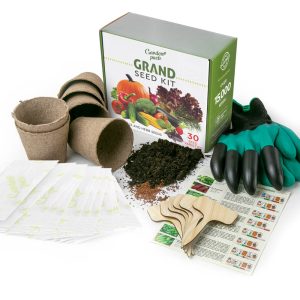
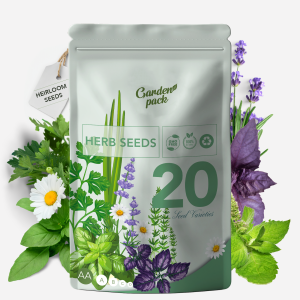
Herb gardens are a delightful and practical addition to any outdoor or indoor space, offering fresh flavours, enticing aromas, and a touch of natural beauty.
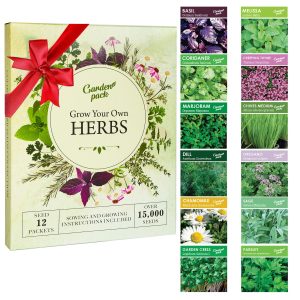
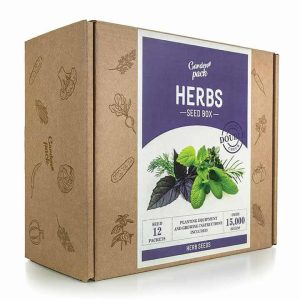
There are also more unusual herbs such as chamomile, lemon balm and creeping thyme. Or if you have more space, opt for our larger Herbs Seed Box (£12.99). This amazing selection is filled with a delicious array of herbs designed for you to succession sow throughout the year. A handful of garden-fresh herbs will add flavour to any dish. Just use your imagination! Think fresh mint for a jug of Pimms, Italian basil to make a delicious pesto pasta or a sprig or two of rosemary tucked into your spring lamb roasting tray. Buon appetito!
What Herbs to Grow?
Top Ten Herbs to Grow
This versatile herb is one of the easiest to grow as it’s fairly hardy. It also can be harvested at any time and will just keep growing back, so you’ll be able to get at least 12 months of fresh parsley.
Sow in spring, preferably positioned in the sun and keep well-watered.
Choosing the soil type/compost for your herbs
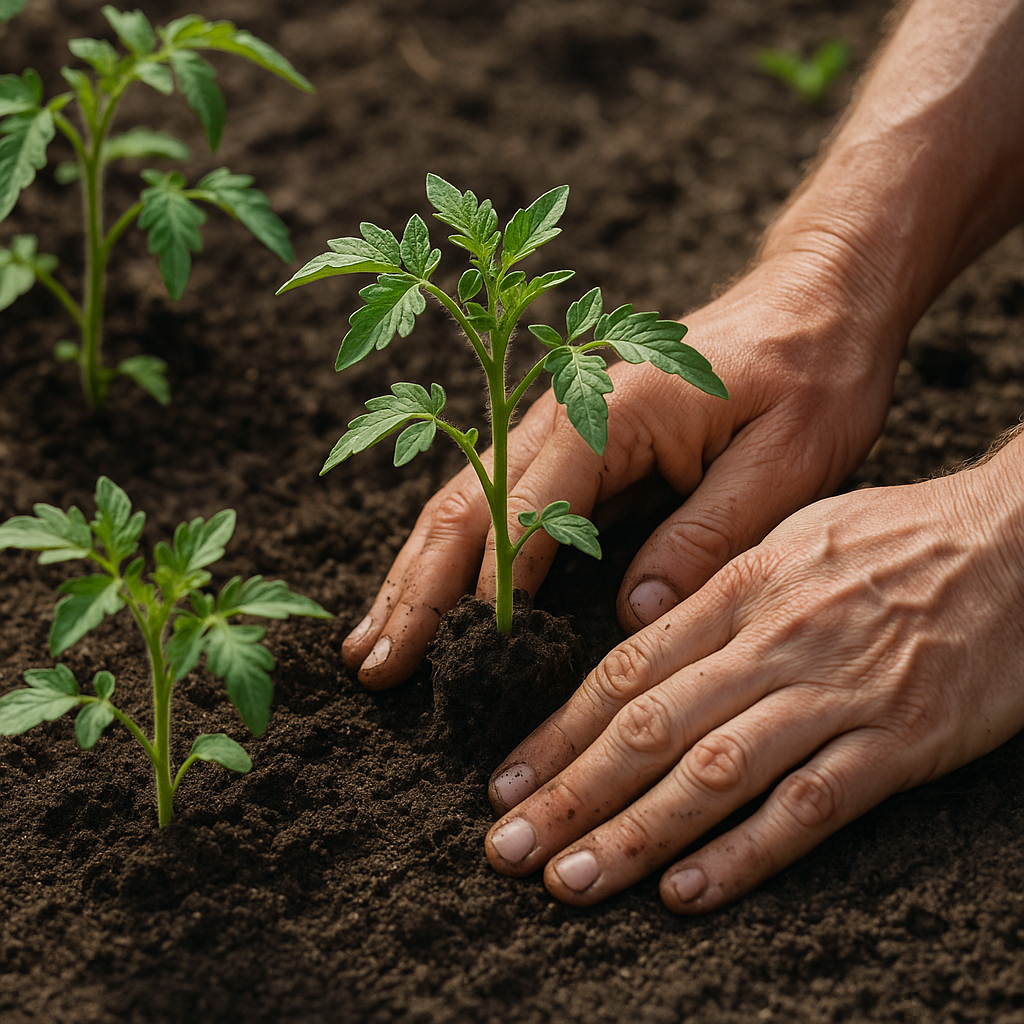
Whether grown outdoors or indoors, one crucial factor that determines the success of your herb garden is the quality of the soil and compost you use.
Herbs generally prefer well-draining soil that’s rich in organic matter. Loamy soil, which is a mix of sand, silt, and clay, provides the ideal balance of drainage and nutrient retention. However, not all herbs have the same soil requirements.
Some Mediterranean herbs, such as rosemary, thyme, and lavender, thrive in slightly sandy soils, while others like parsley, basil, and cilantro do well in richer, moisture-retentive soils.
- So when selecting the best soil and compost for your outdoor herb garden, consider the following factors:
- Drainage: Herbs generally prefer well-draining soil to prevent root rot. You can improve your garden's drainage by incorporating sand, perlite, or vermiculite into the soil.
- Soil pH: Ensure that your soil falls within the slightly acidic to neutral pH range. You can test your soil's pH with a soil testing kit, and make adjustments using lime (to raise the pH) or sulfur (to lower it).
- Organic Matter: Adding compost to your soil can improve its texture, nutrient content, and water retention. A 2-4 inch layer of organic material should be mixed into the top 6-12 inches of soil before planting.
Containers and Pots
You can have some fun with this as any containers or pots can be used so you can choose pots and containers that complement your home’s style or the surrounding landscape.
Mixing and matching colours, textures, and materials can create an attractive and visually appealing herb garden whilst making sure your pots or containers have sufficient drainage, for indoor herb gardens, use saucers or trays to collect excess water.
When to Start Growing Herbs
The ideal time to grow herbs varies depending on whether you’re starting them from seeds, seedlings, or established plants.
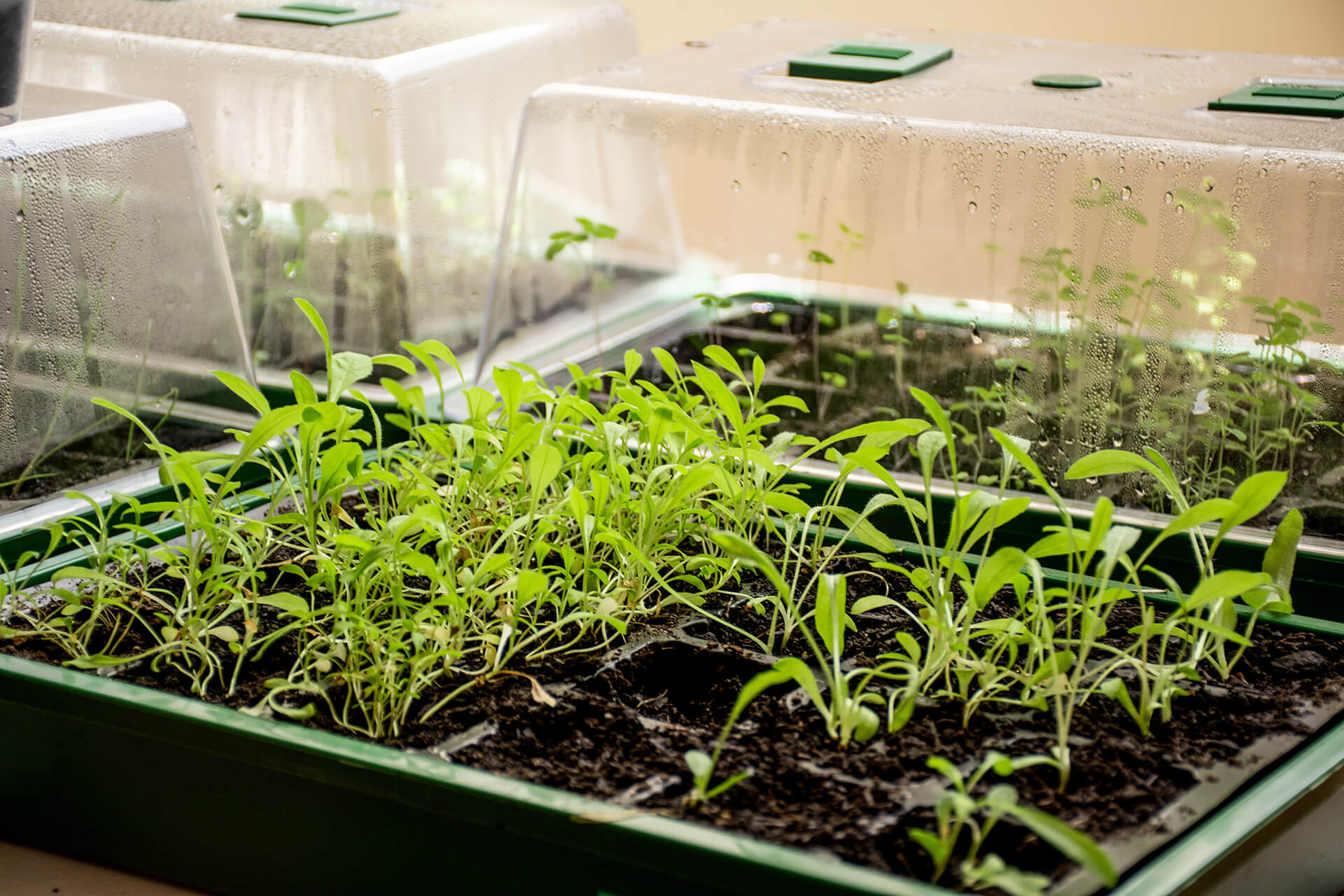
Indoors begin sowing seeds indoors between late February and April. This allows the seedlings to establish themselves before transplanting them outdoors after the last frost. Basil, parsley, and dill are examples of herbs that can be started from seeds indoors.
Direct outdoor sowing: Some herbs, such as chives, can be sown directly outdoors from late March to April when the soil begins to warm up. Make sure the risk of frost has passed before sowing seeds outdoors.
Caring For Your Growing Herb Garden
- Watering: Water your herbs consistently, ensuring the soil remains moist but not waterlogged with overwatering, outdoor herbs may require more frequent watering during hot, dry spells, while indoor herbs should be watered less frequently, as they typically lose less moisture to evaporation.
- Sunlight: Most herbs need at least six hours of sunlight per day to grow and produce flavourful foliage. Make sure your garden or pots are placed in a sunny location to receive adequate light. For indoor herb gardens, place them near a south-facing window or use artificial grow lights to supplement natural light.
- Pruning: Regular pruning encourages bushier growth and prevents your herbs from becoming too leggy. Pinch off the growing tips of your herbs to stimulate branching and remove any dead or yellowing leaves.
Harvesting Your Herbs
Herbilicious Hijinks: Unravelling the Mysteries of Your Herb Garden
Ah, the joys of creating a lush and fragrant herb garden, where you can pluck fresh, aromatic leaves to elevate your culinary masterpieces. But, as with any gardening endeavour, the path to herbal nirvana can be fraught with challenges, mysterious plant behaviours, and unexpected surprises.
Fear not, intrepid gardener! We’ve compiled a few frequently asked questions to help you navigate the quirky world of herb gardening. From wilting wonders to leggy lovelies, we’ve got you covered.
So, strap on your gardening gloves and let’s dive into the colourful, flavourful, and sometimes bewildering world of herb cultivation!
A: Yellowing and wilting can be caused by several factors, including overwatering, underwatering, poor drainage, nutrient deficiencies, or diseases. Ensure that your herbs receive consistent watering, avoid waterlogged soil, and use well-draining soil or containers with drainage holes. Fertilize your herbs with a balanced, slow-release organic fertilizer, and monitor for signs of diseases or pests.
A: Leggy growth often results from insufficient light, over-fertilizing, or inadequate pruning. Place your herbs in a sunny location where they receive at least six hours of sunlight per day. Avoid over-fertilizing, as excessive growth can lead to weak, leggy plants. Prune your herbs regularly by pinching off the growing tips to encourage bushier growth.
A: Indoor herb gardens can face challenges such as inadequate light, inconsistent watering, poor air circulation, or pest infestations. Ensure your indoor herbs receive sufficient sunlight, either through a sunny windowsill or supplemental grow lights. Monitor the soil moisture and water consistently, and provide proper air circulation to prevent diseases. Keep an eye out for pests like aphids, whiteflies, or spider mites, and address infestations promptly with organic pest control methods.
A: Different herbs have varying growing requirements, such as sunlight, soil type, and moisture levels. Research the specific needs of each herb in your garden and ensure they are provided with the appropriate conditions for optimal growth. Sometimes, it might be necessary to grow certain herbs in separate containers or different areas of your garden to cater to their individual requirements.