
Growing your own vegetables at home is one of the most rewarding hobbies you can undertake. Vegetable gardening for beginners might seem daunting at first, but with the right guidance, anyone can cultivate a thriving patch of homegrown produce. Not only will you enjoy fresher, more flavorful vegetables, but you’ll also save money and connect with nature in a meaningful way. In this guide, you’ll learn the essential steps to create and maintain a productive beginner vegetable garden from start to harvest.
Choose the right location for your vegetable garden as this decision will significantly impact your growing success. Most vegetables need 6-8 hours of direct sunlight daily to thrive. Observe your yard throughout the day to identify the sunniest spots before breaking ground.
Look for areas with good drainage—vegetables hate “wet feet” and can rot if water pools around them. Consider proximity to a water source to make irrigation convenient, and seek spots with some protection from strong winds that could damage tender plants.
If your yard lacks ideal conditions, don’t worry. Raised beds can solve drainage issues, and container gardens can be positioned to capture maximum sunlight. Even apartment dwellers can grow vegetables successfully on patios or balconies with adequate sun exposure.

Raised beds offer excellent drainage, soil warming in spring, and defined growing spaces. They’re ideal for yards with poor native soil. Container gardens, meanwhile, provide flexibility for renters or those with limited space. Both options allow beginners to start small and expand as their confidence grows.
Soil preparation is the foundation of a successful vegetable garden. Before planting, conduct a simple soil test to determine pH levels and nutrient content. Most county extension offices offer affordable testing services that provide detailed recommendations specific to your garden’s needs.
Vegetables generally prefer slightly acidic to neutral soil (pH 6.0-7.0) rich in organic matter. Based on your test results, amend your soil accordingly:
For clay soils, add organic matter to improve drainage and aeration. For sandy soils, organic matter helps retain moisture and nutrients. Regardless of your soil type, compost is your best friend—it improves structure, feeds beneficial microorganisms, and slowly releases nutrients to growing plants.
Start small with your first vegetable garden. A plot measuring 4’×8′ or 4’×10′ provides enough space to grow several types of vegetables without overwhelming a beginner. Remember, it’s better to succeed with a small garden than to become frustrated with one too large to maintain.
When designing your garden layout ideas, consider these factors:
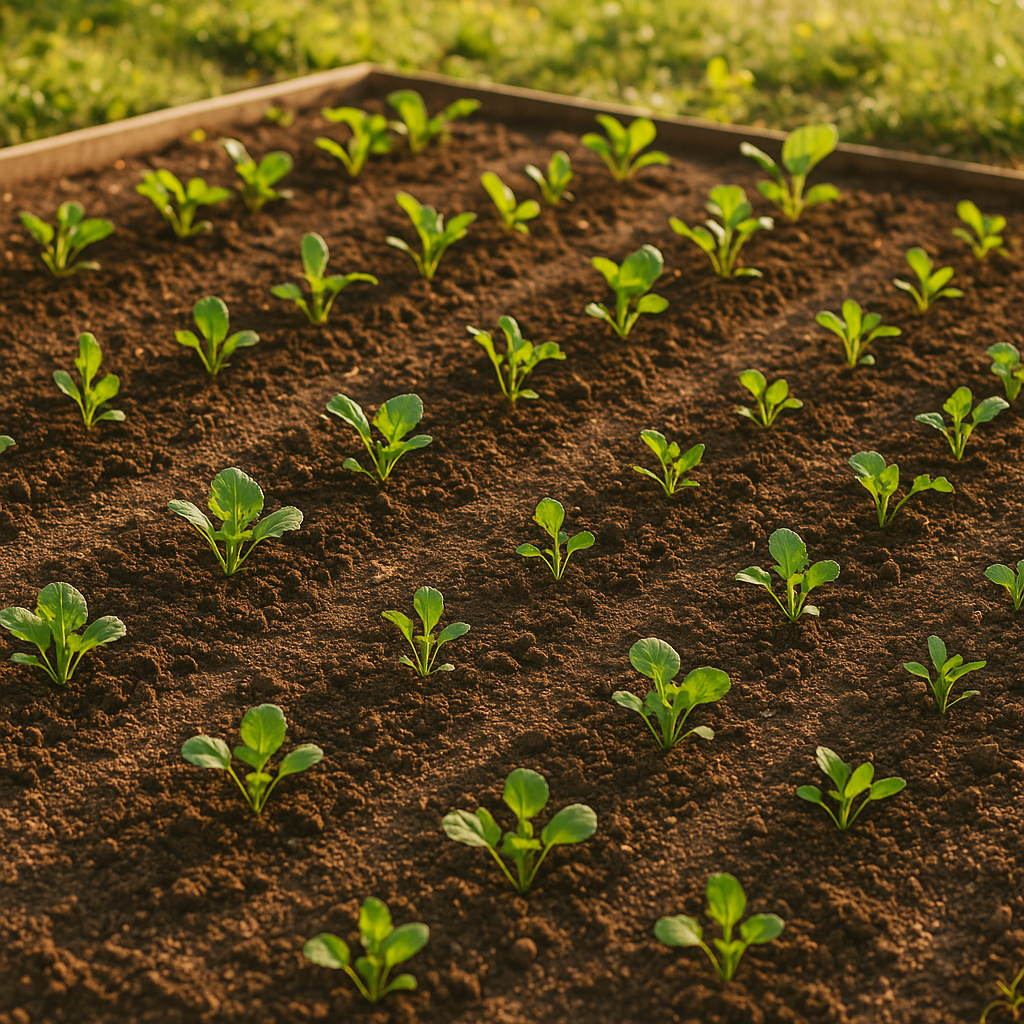
Square foot gardening is an excellent method for beginners, as it maximizes space and simplifies planning. This system divides growing areas into 1’×1′ squares, with each square containing a specific number of plants based on their mature size.

Consider incorporating companion planting into your design. Marigolds deter many vegetable pests, while nasturtiums can lure aphids away from your prized tomatoes. Basil planted near tomatoes can improve their flavor and help repel certain insects. These beneficial relationships can reduce pest problems naturally while adding beauty to your garden.
As a beginner, choose vegetables that offer high success rates with minimal maintenance. The easiest vegetables for beginners include:
When selecting varieties, consider your local climate, available space, and family preferences. Seedlings from local nurseries often perform better than those shipped from distant growing facilities, as they’re already acclimated to your region’s conditions.
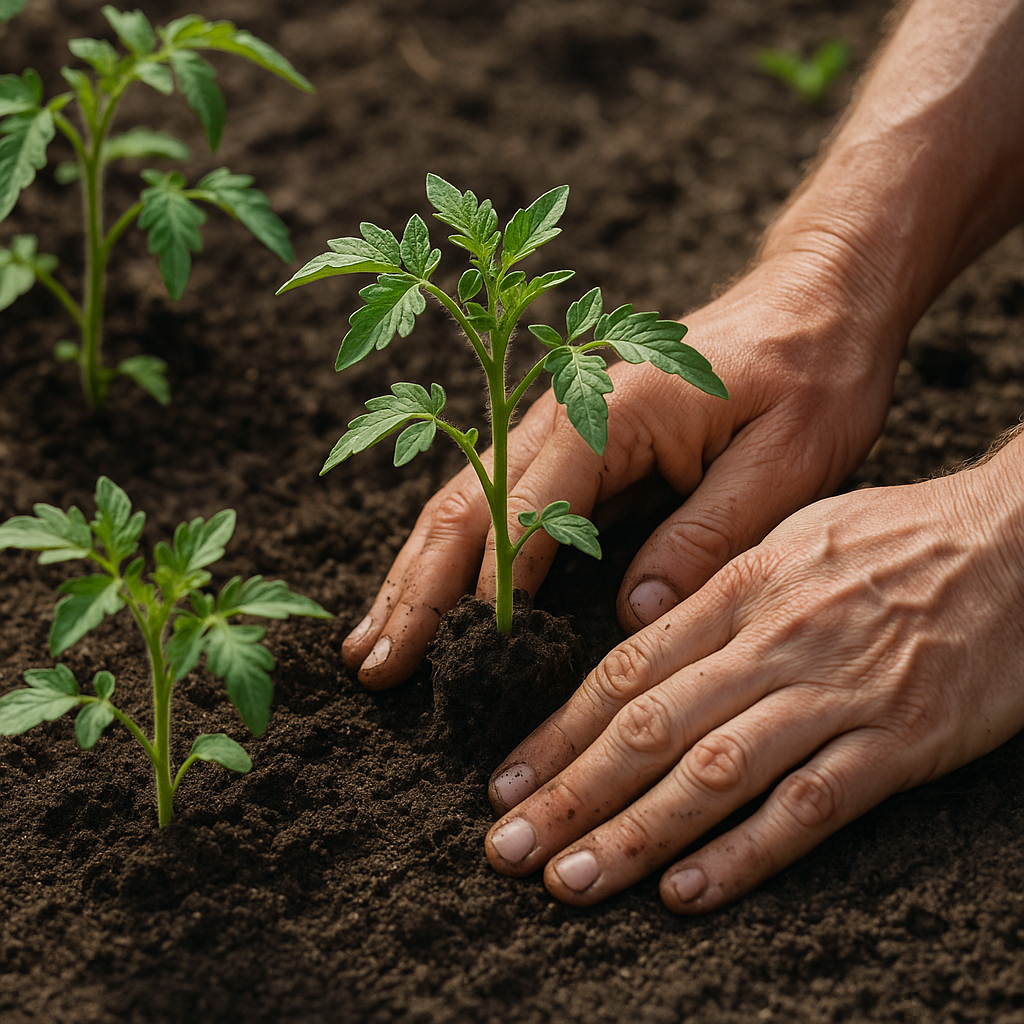
For more successful harvests, choose disease-resistant varieties when possible. Look for code letters like “VFN” on tomatoes, which indicate resistance to common tomato diseases (Verticillium wilt, Fusarium wilt, and Nematodes).
When to plant vegetables is crucial for success. Every region has different planting windows based on average frost dates and growing season length. Understanding the difference between cool-season and warm-season crops will help you plan effectively:
Create a staggered planting schedule to extend your harvest season. Instead of planting all your lettuce seeds at once, sow small batches every two weeks. This succession planting technique provides continuous harvests rather than a single glut of produce.

Developing a consistent watering schedule is essential for vegetable gardening success. Most vegetables need about 1-1.5 inches of water per week, either from rainfall or irrigation. However, this can vary based on your climate, soil type, and the specific plants you’re growing.
For healthier plants and reduced disease pressure:
Monitor soil moisture by inserting your finger about 2 inches into the soil—if it feels dry at that depth, it’s time to water. During heatwaves, young plants and shallow-rooted vegetables like lettuce may need more frequent irrigation. Mulching around plants helps conserve moisture and reduces watering frequency.
Even rich garden soil needs supplemental nutrients throughout the growing season. Organic fertilizers provide steady, long-lasting nutrition without the risk of “burning” plants with excess nutrients. Create a feeding schedule based on your vegetables’ needs:
Compost tea makes an excellent organic fertilizer that also adds beneficial microorganisms to your soil. To make it, steep a shovelful of finished compost in a bucket of water for 24-48 hours, then strain and apply the liquid to your plants.
Apply mulch 2-3 inches thick around your plants to suppress weeds, conserve moisture, and stabilize soil temperature. Organic mulches like straw, shredded leaves, or grass clippings gradually break down to add nutrients to your soil. Wait until soil has warmed in late spring before applying mulch, as it can delay soil warming in early spring.

Pest control begins with prevention. Walk through your garden daily to spot problems early when they’re easier to manage. Many issues can be avoided through good cultural practices:
When intervention is necessary, start with the least toxic solutions. Hand-picking larger pests like tomato hornworms or using barriers like row covers can effectively manage many issues. For insect infestations, try these organic remedies:
Remember that not all insects are harmful—many are beneficial predators that control pest populations naturally. Learn to identify garden allies like ladybugs, lacewings, and parasitic wasps, and avoid practices that harm these helpful creatures.
Succession planting allows you to maximize your garden’s productivity throughout the growing season. Instead of harvesting everything at once and facing gaps in production, you’ll enjoy a steady supply of fresh vegetables.
Try these succession planting techniques:
For example, plant spring peas, harvest them in early summer, then plant bush beans in the same space for fall. Or underplant slow-growing tomatoes with quick-growing leaf lettuce that will be harvested before the tomatoes need the full space.
Keep a planting calendar to track when each crop should be planted and when you can expect to harvest. This helps prevent both garden gaps and overwhelmingly large harvests of any single crop.
A garden journal transforms occasional successes into repeatable ones. Use it to record important information such as:
Include simple sketches or photos of your garden layout each season. This visual record helps with crop rotation planning and reminds you of successful (or unsuccessful) plant combinations. Note harvest amounts to help plan future plantings—did you grow too many zucchini but not enough beans?

Your journal becomes an invaluable resource with each passing season. Review it before planning next year’s patch to avoid repeating mistakes and to replicate successful strategies. Remember, even experienced gardeners face challenges—the difference is they learn from them.
Starting a vegetable garden is a journey that rewards patience and persistence. These ten fundamental tips provide the framework for growing success, but remember that every garden is unique. Begin with a modest plot, focus on vegetables you love to eat, and learn as you grow. Mistakes are inevitable and valuable—they’re how you’ll develop your personal approach to vegetable gardening for beginners.
The satisfaction of harvesting your first home-grown tomato or serving a salad made entirely from your garden makes every effort worthwhile. Start applying these principles today, and you’ll be well on your way to becoming a confident and successful vegetable gardener.
For continued support on your gardening journey, sign up for our seasonal email series “Garden to Table” and download our free “Beginner’s Vegetable Garden Checklist” to keep track of your progress through the growing season.
50–100 sq ft is a manageable starter.
Lettuce, radishes, beans, zucchini, and cherry tomatoes.
Deeply 1–2 times per week, adjusting for weather and soil type.
After your local last frost date for warm-season crops; cool-season can be sown 4–6 weeks earlier.
Perform a soil test, then mix in 2–3 inches of compost and organic matter before planting.