

Flower gardening for beginners offers a rewarding way to beautify your outdoor space while connecting with nature. Whether you have a sprawling yard or just a few containers on a patio, growing flowers provides joy, color, and a sense of accomplishment. These seven essential tips will guide you from planning to maintaining a vibrant flower garden that thrives even if you’ve never held a trowel before.
Successful flower gardening for beginners starts with understanding your garden’s unique conditions. Before purchasing a single seed or plant, take time to observe the sunlight requirements of your space, analyze your soil, and identify your climate zone.
Begin by monitoring how sunlight moves across your yard throughout the day. Most flowering plants need at least 6 hours of direct sunlight, though some thrive in partial shade. Note which areas receive morning sun versus harsher afternoon exposure.
Next, assess your soil by performing a simple jar test: fill a clear jar halfway with garden soil, add water, shake thoroughly, and let it settle for 24 hours. Sand particles will settle first, then silt, with clay forming the top layer. The proportions will indicate your soil type, which affects drainage and nutrient availability.
Finally, identify your hardiness zone using the USDA Plant Hardiness Zone Map. This number, based on average minimum winter temperatures, helps determine which perennial plants will survive in your area year after year.

Selecting appropriate plants is crucial for novice gardeners. The best blooming companions for your garden should match both your growing conditions and your experience level.
Understanding plant life cycles helps with planning. Annuals complete their life cycle in one growing season, providing immediate, season-long color but requiring replanting each year. Perennials return year after year, often with a shorter blooming period but less maintenance long-term. Biennials take two years to complete their lifecycle, typically flowering in the second year.
For those new to flower cultivation, these easy flowers for beginners offer nearly foolproof gardening success:
When selecting plants, read labels carefully for height, spread, and specific needs. Start with just a few varieties to build confidence before expanding your floral palette.

Thoughtful garden design enhances visual impact while potentially reducing maintenance demands. Creating a cohesive flower palette before planting helps achieve a professional-looking garden that pleases the eye.
Consider the principles of unity and contrast when designing. Unity creates harmony through repeated elements like color, texture, or plant types. Contrast adds visual interest through deliberate differences in height, form, or color. For beginners, starting with a simple color scheme often yields the best results.
Popular color palette schemes include:
Remember to consider plant heights when arranging your garden. Typically, taller plants belong in the back (or center for island beds), with medium-height plants in the middle and shorter varieties in front. This layering technique ensures all plants remain visible and creates depth in your garden.
Garden soil preparation forms the foundation of successful flower gardening. Even the most resilient plants struggle in poor soil, while seemingly delicate varieties can thrive when given the right growing medium.
Begin by clearing your chosen area of weeds, rocks, and debris. Then loosen the soil to a depth of 8-12 inches using a garden fork or tiller. This process, called double-digging, improves drainage and allows roots to penetrate deeply.
Most garden soil benefits from organic amendments that improve structure, drainage, and fertility:
Test drainage by digging a 12-inch hole, filling it with water, and letting it drain completely. Refill the hole and time how long it takes to empty. Ideal drainage occurs within 1-3 hours. If water remains after 12 hours, consider creating raised beds or adding more drainage amendments.

How to start a flower garden successfully depends greatly on proper planting techniques and timing. Even the healthiest plants can fail if installed incorrectly or at the wrong time of year.
For seeds, follow packet instructions regarding planting depth—generally, plant seeds at a depth equal to twice their diameter. Tiny seeds often need just a light covering of soil or even direct surface sowing. Space seeds according to mature plant size, accounting for proper air circulation.
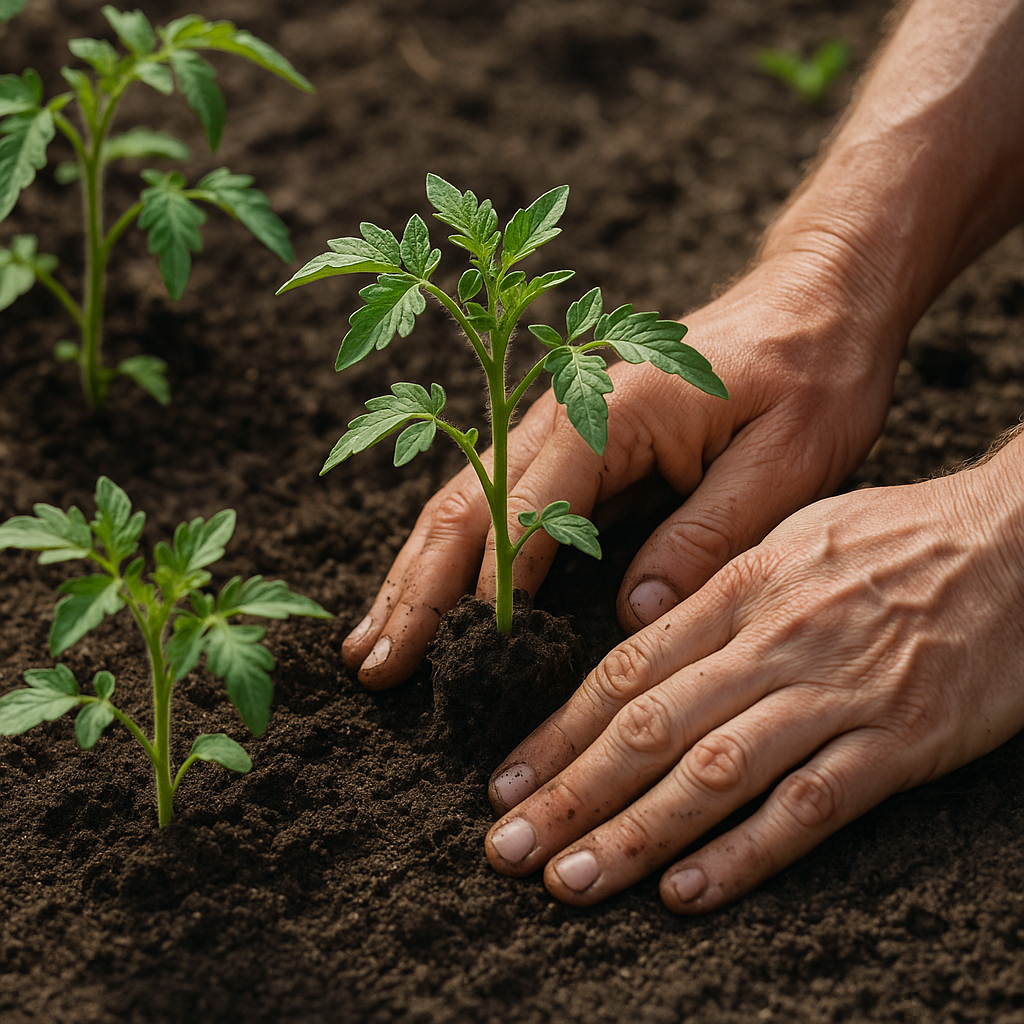
When planting nursery-grown flowers, dig holes twice as wide but just as deep as the root ball. Gently loosen roots if they’re circling the pot, then place the plant so its soil level matches the surrounding garden soil. Planting too deeply can cause stems to rot.
Timing is equally important. Most annual flowers should be planted after the last spring frost. For earlier blooms, start seeds indoors 6-8 weeks before transplanting. Many perennials can be planted in either spring or fall when temperatures are moderate and rainfall more consistent.
Establishing a consistent care routine ensures your flowers thrive throughout the growing season. Regular attention prevents small issues from becoming major problems.
Most flowering plants need approximately one inch of water weekly, including rainfall. Measure using a rain gauge or place a tuna can in your garden—when it’s filled to an inch, that area has received sufficient moisture. Water deeply but infrequently to encourage deep root growth, ideally in early morning when evaporation rates are low.
Apply 2-3 inches of organic mulch around plants (keeping it away from stems) to:
Deadheading—removing spent blooms—encourages many flowers to produce more blossoms and prevents self-seeding. Simply pinch or cut faded flowers just above a leaf node or branch junction.
Other maintenance tasks include regular weeding, occasional fertilization (follow product instructions), and staking tall varieties before they flop over. Group these tasks into a weekly garden session to make maintenance manageable.

Even beginning gardeners can implement natural pest control methods that protect both plants and beneficial wildlife. Understanding common issues and eco-friendly solutions helps maintain garden health without harsh chemicals.
Prevention forms the cornerstone of natural garden management. Healthy plants resist pests and diseases more effectively, so continue good cultural practices like proper spacing, appropriate watering, and soil maintenance.
Common garden pests and organic controls include:
Encourage beneficial insects by planting nectar-rich flowers like yarrow, dill, and alyssum. Ladybugs, lacewings, and parasitic wasps act as natural predators to many common pests.
Rotating annual flower types can help disrupt pest and disease cycles, particularly if specific problems occurred in previous seasons. This practice prevents pathogens from building up in the soil.
Create a garden that provides continuous color by implementing simple techniques that extend your blooming season and support plant health.
Succession planting involves sowing seeds every 2-3 weeks throughout the growing season. This approach ensures new flowers are constantly developing as older blooms fade. Quick-growing annuals like zinnias, cosmos, and sunflowers work particularly well for this method.
Staking taller varieties prevents breakage from wind and rain while maintaining your garden’s visual appeal. Options include:
For late-season interest, incorporate fall-blooming plants like asters, sedum, and certain dahlias. These provide fresh color when summer bloomers begin to fade.
With these seven essential tips, even complete beginners can create beautiful flower gardens that provide color, fragrance, and joy throughout the growing season. Start small, learn from both successes and failures, and remember that gardening skills develop over time just like the plants in your care.

The easiest flowers for beginners include zinnias, marigolds, sunflowers, cosmos, and nasturtiums. Zinnias and marigolds resist pests naturally and bloom all summer with minimal care. Sunflowers grow quickly and dramatically with just consistent watering. Cosmos thrive even in poor soil conditions, while nasturtiums add edible flowers to your garden with almost no maintenance required.
Most flowering plants require 6-8 hours of direct sunlight daily (full sun). Part sun or partial shade means 4-6 hours of direct sun, usually morning exposure. Shade gardens receive less than 4 hours of direct sunlight. Some flowers like impatiens and begonias actually prefer partial shade, while sun-lovers like zinnias and marigolds need full sun exposure to bloom properly.
The best time to start planting outdoors is after your region’s last spring frost date. For earlier blooms, start seeds indoors 6-8 weeks before this date. Cool-season annuals like pansies can be planted a few weeks before the last frost. Fall is ideal for planting many perennials, giving them time to establish roots before winter, while spring is better for tender perennials in colder regions.
Most flower gardens need about 1 inch of water per week, including rainfall. Newly planted flowers require more frequent watering until established, typically daily for the first week, then every other day for two weeks. Water deeply in the morning rather than providing frequent light sprinklings. During hot weather, increase watering frequency, checking soil moisture by inserting your finger 2 inches into the soil—if it feels dry, it’s time to water.
To improve poor soil, first identify whether it’s too sandy, clayey, or lacking nutrients. For all soil types, incorporate 2-3 inches of compost, working it into the top 8-12 inches. Add perlite or coarse sand to heavy clay for better drainage. For sandy soil, add extra compost and a thin layer of topsoil to improve water retention. A soil test can determine if specific nutrients are needed, which can be addressed with organic fertilizers designed for flowering plants.