
A kitchen vegetable garden blends practicality with creativity, offering fresh produce just steps from your cooking space. Whether you’re working with a small balcony, a modest backyard, or a series of containers on your patio, a well-planned kitchen garden serves both culinary enthusiasts and sustainability-minded individuals alike. Unlike larger vegetable plots, kitchen gardens emphasize accessibility, beauty, and daily harvesting of fresh ingredients that enhance your meals.
This guide offers innovative approaches to transform any growing space into a productive and beautiful kitchen garden. From vertical solutions that maximize limited square footage to companion planting strategies that boost yields naturally, these ideas will help you create a garden that’s as pleasing to the eye as it is to your palate. Whether you’re a beginner or looking to elevate your existing garden, these techniques will help you grow more food in whatever space you have available.
Thoughtful garden planning creates the foundation for a productive and beautiful growing space that serves your specific needs and conditions.
Consider different layout styles based on your available area and aesthetic preferences. The formal potager arranges vegetables and herbs in geometric patterns for visual appeal, while raised beds offer improved soil control and accessibility. Border gardens utilize existing fence lines or walls, making them perfect for smaller areas where space optimization matters. For those with more room, the classic four-bed design allows effective crop rotation for improved soil health.
Before planting, map your space by identifying sunlight patterns throughout the day. South-facing areas typically receive the most light and are ideal for sun-loving crops like tomatoes and peppers. Create pathways that allow easy access for harvesting and maintenance—you should be able to reach plants without stepping on garden soil. When designing your layout, consider both practicality and visual appeal by incorporating symmetry where possible and edging beds with herbs or edible flowers that define spaces while attracting pollinators.
Garden planning tools (either digital apps or simple graph paper) can help visualize your space before breaking ground. This preliminary work pays dividends throughout the growing season by minimizing wasted space and reducing maintenance headaches later.
Vertical gardening transforms limited horizontal space into abundant growing area, allowing you to produce more food in the same footprint.
Many vegetables naturally climb or can be trained upward with proper supports. Vining crops like cucumbers, peas, pole beans, and small-fruited squash varieties thrive when grown vertically. Even indeterminate tomatoes benefit from strong vertical support structures that keep fruit off the ground and improve air circulation. By directing these plants upward, you free valuable ground space for root crops or leafy greens.
Experiment with different vertical support structures to find what works best for your space and aesthetic preferences. Arch trellises create charming garden entryways while supporting climbing vegetables. Wall-mounted grids or repurposed ladders transform bare walls into productive growing spaces. Simple teepee structures made from bamboo stakes offer affordable support for beans or peas. For heavier crops like winter squash, ensure your structures are sturdy enough to handle the weight—reinforced obelisks or cattle panel arches provide industrial-strength support with garden-friendly appeal.
When installing vertical elements, position them where they won’t shade other sun-loving plants. North sides of garden beds are typically ideal for taller structures. Also consider the visual impact—trellises can serve as beautiful focal points that add architectural interest to your growing space while dramatically increasing your total yield.
Strategic planting partnerships and timing create gardens that produce abundantly throughout the entire growing season.
Succession planting prevents feast-or-famine harvests by staggering crop plantings every 2-3 weeks. Rather than planting your entire lettuce supply at once, sow small batches every couple of weeks for continuous salads. Quick-maturing crops like radishes, arugula, and bush beans are perfect candidates for succession planting. Once early spring crops like peas finish producing, replace them immediately with heat-loving vegetables for summer harvests, then follow with fall crops as temperatures cool again.
Companion planting harnesses natural plant relationships to improve growth and deter pests. Classic pairings include basil with tomatoes (improving flavor and repelling insects), carrots with onions (confusing carrot flies with strong onion scents), and nasturtiums near cucumbers (drawing aphids away from your main crop). The “Three Sisters” technique—corn, beans, and squash grown together—demonstrates how crops can physically support each other while providing different nutritional needs.
Rotate crop families annually to different garden sections to prevent pest and disease buildup in the soil. Nightshades (tomatoes, peppers), brassicas (cabbage, kale), legumes (beans, peas), and root vegetables should follow each other in a planned rotation. This practice maintains soil health and helps break pest cycles naturally, contributing to stronger plants and higher yields over time.
Expanding beyond traditional vegetables creates resilient, productive gardens with enhanced culinary and visual appeal.
Integrate herbs strategically throughout your growing space. Perennial herbs like rosemary, thyme, and oregano make excellent border plants that define garden edges while providing aromatic harvests. Annual herbs such as cilantro and dill serve double duty—offering fresh leaves for cooking while attracting beneficial insects with their flowers. Mint family herbs (including basil and lemon balm) should be given dedicated containers to prevent them from overtaking other plants.
Edible flowers add unexpected beauty and flavor to your kitchen garden. Nasturtiums offer peppery blossoms and leaves for salads. Calendula provides vibrant orange petals that can garnish dishes or be used in teas. Borage produces star-shaped blue flowers with a mild cucumber flavor perfect for summer drinks. Beyond their culinary uses, these flowering additions attract crucial pollinators that improve yields on fruiting vegetables like squash and tomatoes.
Consider incorporating compact fruiting plants into your design. Alpine strawberries create beautiful edging with sweet rewards. Dwarf blueberry bushes provide structure and seasonal berries in minimal space. Even espaliered fruit trees against a sunny wall can produce significant harvests without dominating limited garden space. These diverse plantings create a garden ecosystem that’s both more productive and more resilient against pests and disease than traditional monoculture vegetable plots.
Elevated growing spaces offer superior control over soil quality and growing conditions, especially in challenging locations.
Raised beds provide numerous advantages for kitchen gardens of any size. The contained soil warms earlier in spring, extending your growing season. Improved drainage prevents root rot issues, particularly in areas with heavy clay soil. The defined borders reduce encroachment from lawn grasses and other garden invaders. Perhaps most importantly, raised beds minimize back strain by bringing the growing surface closer to comfortable working height—something particularly valuable for aging gardeners or those with mobility challenges.
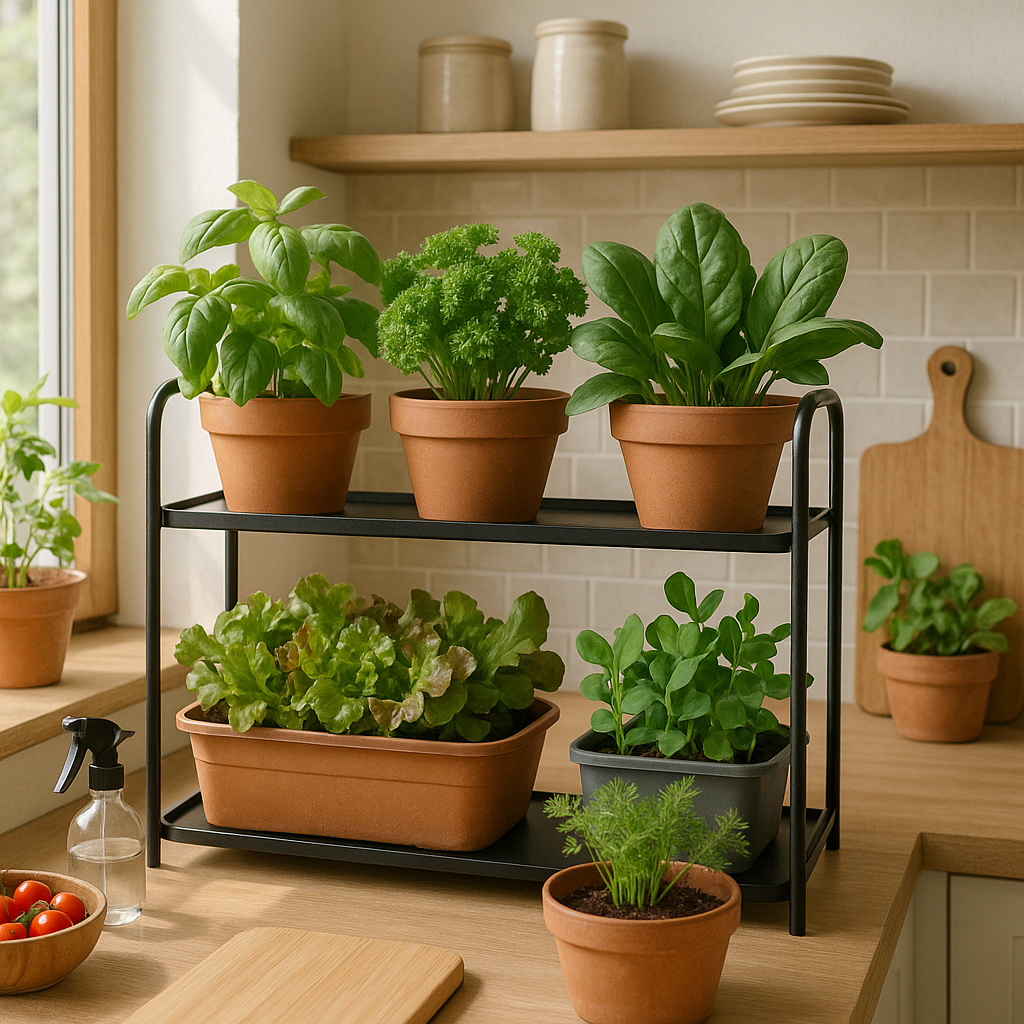
For extremely limited spaces or areas without suitable ground (like balconies or paved patios), container gardening offers remarkable flexibility. Select containers based on the specific needs of your plants—deep pots for root vegetables, wider options for shallow-rooted greens. Self-watering containers reduce maintenance for busy gardeners. Grow bags provide affordable, portable growing space that can be moved to follow seasonal sun patterns. When using containers, choose a high-quality potting mix specifically formulated for vegetables rather than regular garden soil, which compacts easily in contained environments.
Whatever growing vessels you choose, position them strategically for maximum sun exposure and easy access. Group containers with similar water needs together to streamline maintenance. Consider the mature size of plants when planning—a single healthy tomato plant may need a 5-gallon container minimum, while a dozen lettuce plants can thrive in the same space. With thoughtful planning, even the smallest areas can produce remarkable harvests using these optimized growing techniques.
Expanding upward transforms unused vertical surfaces into productive growing space, dramatically increasing your garden’s capacity.
Wall-mounted planters turn barren vertical surfaces into lush growing areas perfect for herbs, salad greens, and strawberries. Gutter systems secured to fences create long, narrow planting strips ideal for shallow-rooted crops. Pocket planters (fabric or rigid) provide modular growing spaces that can be configured to available wall dimensions. These systems are particularly valuable in urban settings where ground space is minimal but vertical surfaces are abundant.
Hanging baskets suspended from pergolas, eaves, or shepherd’s hooks add growing space without consuming valuable ground area. Tumbling cherry tomato varieties cascade beautifully from hanging planters. Strawberries thrive in suspended environments where their fruits hang safely away from soil-dwelling pests. Trailing herbs like creeping thyme and oregano create aromatic cascades. Even some compact pepper varieties perform well in hanging situations when provided adequate support.
These elevated growing solutions do present unique challenges. They typically require more frequent watering as they dry out faster than in-ground plantings. Self-watering options or drip irrigation systems help maintain consistent moisture. Choose lightweight growing media specifically formulated for containers to reduce overall weight while providing necessary nutrition. Position vertical and hanging elements to receive adequate sunlight while considering their impact on plants growing below them. With thoughtful placement and proper care, these creative solutions can dramatically increase your growing capacity in even the most space-challenged environments.
A kitchen garden that delights the eye motivates ongoing care while creating a space you’ll want to spend time in daily.
Thoughtful color planning transforms utilitarian vegetable plots into visual masterpieces. Create monochromatic themes with plants like ‘Bull’s Blood’ beets, purple basil, and red-veined sorrel for a sophisticated red garden section. Mix vegetables with complementary flowering companions—orange nasturtiums brightening blue-green kale, or purple alliums rising among chartreuse lettuce varieties. Even practical structures can become design elements with colored twine on trellises or painted bamboo stakes marking planting areas.
Integrate garden art that serves both practical and aesthetic purposes. Hand-thrown ceramic plant markers add artisanal charm while keeping track of varieties. Mosaic stepping stones create functional pathways with artistic flair. Repurposed items like vintage colanders or wooden crates become unique planters that add character. A carefully placed mirror on a north-facing fence reflects light and creates the illusion of expanded space. Solar-powered lanterns extend evening enjoyment of your garden while highlighting structural elements after sunset.
Consider the architectural structure of your garden throughout the seasons. Evergreen herbs provide winter interest when annual vegetables have finished. Obelisks and trellises maintain visual height even when not actively supporting crops. Ornamental edibles like rainbow chard or scarlet runner beans deserve prominent placement where their beauty can be appreciated from kitchen windows or dining areas. This thoughtful integration of form and function creates a garden that nourishes both body and spirit—a space that draws you in daily for both harvesting and simple enjoyment.
Natural gardening approaches create healthier environments for plants, beneficial insects, and the humans who consume the harvest.
Building healthy soil forms the foundation of an organic kitchen garden. Regular additions of compost improve soil structure, enhance nutrient availability, and increase beneficial microbial activity. Make your own by composting kitchen scraps and yard waste, or source quality compost locally. Apply it as a soil amendment before planting and as a mid-season top-dressing for heavy feeders like tomatoes. Mulch with organic materials like straw, shredded leaves, or grass clippings to conserve moisture, suppress weeds, and gradually add nutrients as they decompose.
Manage pests using integrated approaches rather than synthetic chemicals. Hand-pick larger insects like tomato hornworms and cabbage worms during daily garden visits. Spray strong streams of water to dislodge aphids and spider mites. Encourage natural predators by planting diverse flowering plants that attract beneficial insects—alyssum for hoverflies, cosmos for lacewings, and marigolds for predatory wasps. When intervention becomes necessary, choose targeted organic solutions like insecticidal soap for soft-bodied insects or Bacillus thuringiensis (Bt) for specific caterpillar issues.
Practice water conservation through efficient irrigation techniques. Water deeply but infrequently to encourage deep root growth. Apply water directly to soil rather than overhead to reduce evaporation and prevent disease spread. Collect rainwater in barrels for free, chlorine-free irrigation. These sustainable approaches create resilient gardens that produce abundantly while contributing positively to the surrounding environment rather than depleting it.
Strategic maintenance routines maximize productivity while minimizing time investment, creating sustainable gardening practices you can maintain throughout the season.
Develop water-wise irrigation habits by watering deeply in early morning hours when evaporation rates are lowest. This timing also allows foliage to dry quickly, reducing disease issues. Focus water at plant bases rather than spraying leaves, delivering moisture directly to root zones where it’s needed most. Consider installing simple drip irrigation systems with timers for consistent moisture delivery even during busy periods or vacations. Grouping plants with similar water requirements streamlines irrigation and prevents overwatering drought-tolerant herbs while underwatering thirsty crops like cucumbers.
Establish efficient maintenance routines that prevent small issues from becoming major problems. Daily quick visits allow for harvesting at peak ripeness while providing opportunities to spot pest issues before they spread. Weekly sessions might include light pruning of indeterminate tomatoes, removing spent plants, and succession planting for continuous harvests. Monthly tasks could involve deeper fertilization of heavy feeders and turning compost piles. Keep essential tools clean and easily accessible near the garden to encourage regular maintenance.
Practice preventive care to minimize future work. Apply mulch early in the season before weeds become established. Install supports for climbing plants when they’re young rather than trying to untangle mature vines. Prune for airflow to reduce fungal disease pressure during humid periods. Remove diseased plant material promptly and dispose of it away from the garden rather than composting it. These proactive approaches reduce overall maintenance time while creating healthier, more productive growing conditions throughout the season.
Thoughtful observation and documentation create gardens that improve continuously as you learn what works in your unique growing environment.
Maintain a simple garden journal to track important information throughout the seasons. Record planting dates, varieties, weather patterns, first harvest dates, and overall yields. Note pest or disease issues and successful solutions for future reference. Take dated photographs throughout the growing season to create visual records of plant development and garden layouts. These records become invaluable when planning future gardens, helping you identify patterns and make data-driven decisions about what to grow and where to place it.
Reserve space each season for experimentation with new varieties or techniques. Dedicate a small section to testing unfamiliar vegetables that might earn permanent space in future gardens. Try different trellising methods, mulching materials, or companion planting combinations in controlled areas before implementing them garden-wide. These controlled experiments build your gardening knowledge while keeping the experience fresh and engaging year after year.
Accept that gardening involves continuous learning rather than achieving instant perfection. Every challenge presents an opportunity to deepen your understanding of plants and natural systems. Celebrate successes while analyzing setbacks for valuable lessons. Connect with other gardeners through local clubs, online forums, or social media to share experiences and gain regional growing insights. This approach transforms your kitchen garden from a simple food production space into an evolving laboratory that becomes more productive and rewarding with each passing season.
Leafy greens, tomatoes, peppers, radishes, carrots, bush beans, and herbs like basil and chives are excellent for small spaces due to their compact growth and high yield potential.
Most vegetables need about 1 inch of water per week. Water early in the morning or in the evening to minimize evaporation, and use mulch to retain moisture.
Use raised beds, try succession planting, grow vertically, mix in companion plants, and integrate regular maintenance routines.
Yes! Use containers, vertical planters, and hanging baskets to maximize your available space and sunlight. Choose crops suited to small spaces.
Use natural predators (like ladybugs), hand-pick pests, plant pest-repelling flowers, and apply organic deterrents such as neem oil or insecticidal soap if needed.